Industrial sensors for process & manufacturing — temperature, humidity, vibration and motion
Kjaerulf Pedersen develops and manufactures sensors for process plants, production lines and machinery. Our temperature range covers RTDs and thermocouples for cold applications, process measurement and high-temperature furnaces, alongside humidity, dewpoint, vibration and motion sensors. We configure the sensor to your application, whether you need a replacement for existing equipment or a design for a new machine — from prototype to volume production.

Kjaerulf Pedersen a/s designs and manufactures industrial sensors and measurement systems for process control and condition monitoring. The range includes RTD and thermocouple temperature sensors, humidity and dewpoint sensors, and vibration and motion sensors. We supply process plants and machine builders with standard and application-specific designs, from individual sensors and small batches to volume production.
Choose a sensor for your process conditions
Choose by what you need to measure and how the sensor will be installed. These common process and equipment requirements link to the relevant Kjaerulf Pedersen products.
| Process or equipment requirement | What to select | Products |
|---|---|---|
| Process temperature — pipes and tanks | Interchangeable inserts; RT-B up to 600 °C, TC-B up to 1150 °C. Type A offers adjustable immersion depth. | Type B · Type A |
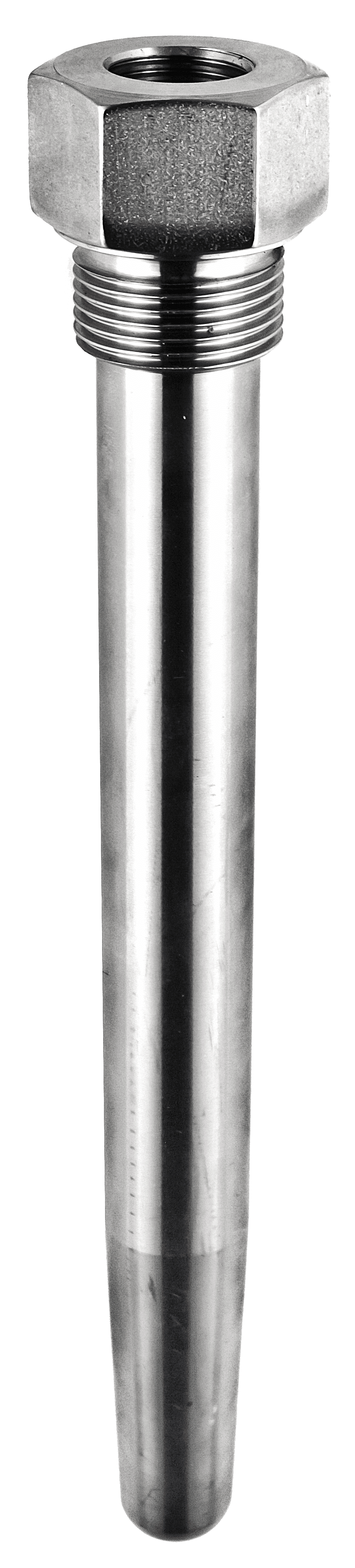
| Direct or thermowell installation | Fixed-insert sensors; the complete sensor can be removed while the thermowell stays in the process. | BUI · AUI |
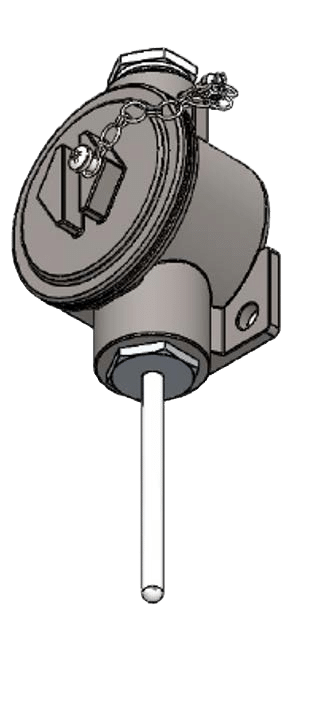
| Compact plug connections | BP1 with M12; BP2 with valve plug. Both have interchangeable inserts and temperature ranges up to 250 °C. | BP1 · BP2 · BP2-T |
| High-pressure pipelines and vessels | Solid-machined weld-in protection. For materials and dimensions in our pressure-rating guide: water up to 450 bar at flows up to 5 m/s; permissible pressure depends on temperature. | Type D |
| Furnaces, kilns and flue gas | Steel protection: AM/AMC and BM/BMC up to 1150 °C. Ceramic protection: AC/ACC and BC/BCC up to 1600 °C continuously. | AM/AMC · BM/BMC · AC/ACC · BC/BCC |
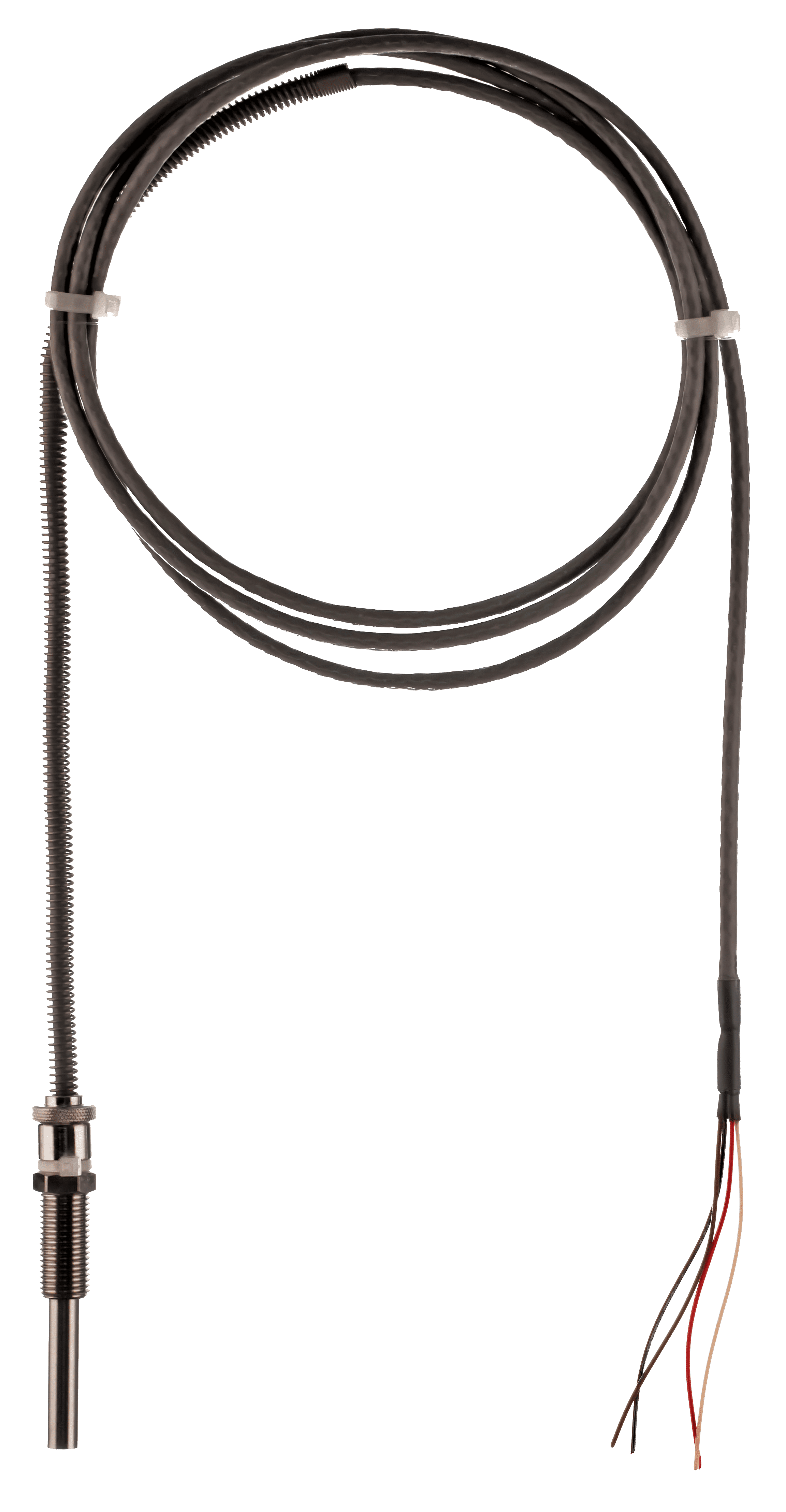
| Limited installation space | Bendable mineral-insulated sensors, or RC1/TC1 cable sensors with a direct cable connection. | RM1 · RM3 · TM1 · RC1/TC1 |
| Flanged process connections | Flange-mounted temperature sensor and flanged thermowell for pipelines and vessels. | B-FL + MA-PW-FL |
| Room and surface temperature | Ambient air measurement or contact measurement on a surface. | RR1 · RSM |
| Humidity and condensation | Humidity, temperature and dewpoint in one sensor. | KPH300 |
| Equipment condition and movement | Vibration for early wear detection; bearing temperature; separate motion sensing for position and movement. | KPV200 / KPV100 · RTBC · KPM100 |
Temperature limits depend on the sensor configuration. For pressure and flow selection, see our thermowell pressure-rating guide, which covers threaded and weld-in constructions.
Browse by industry
Find sensors for the processes and equipment used in your industry. Each application area links to the relevant products in our catalogue.

Temperature sensors and thermowells for reactors, columns and process lines, with materials selected for the medium.
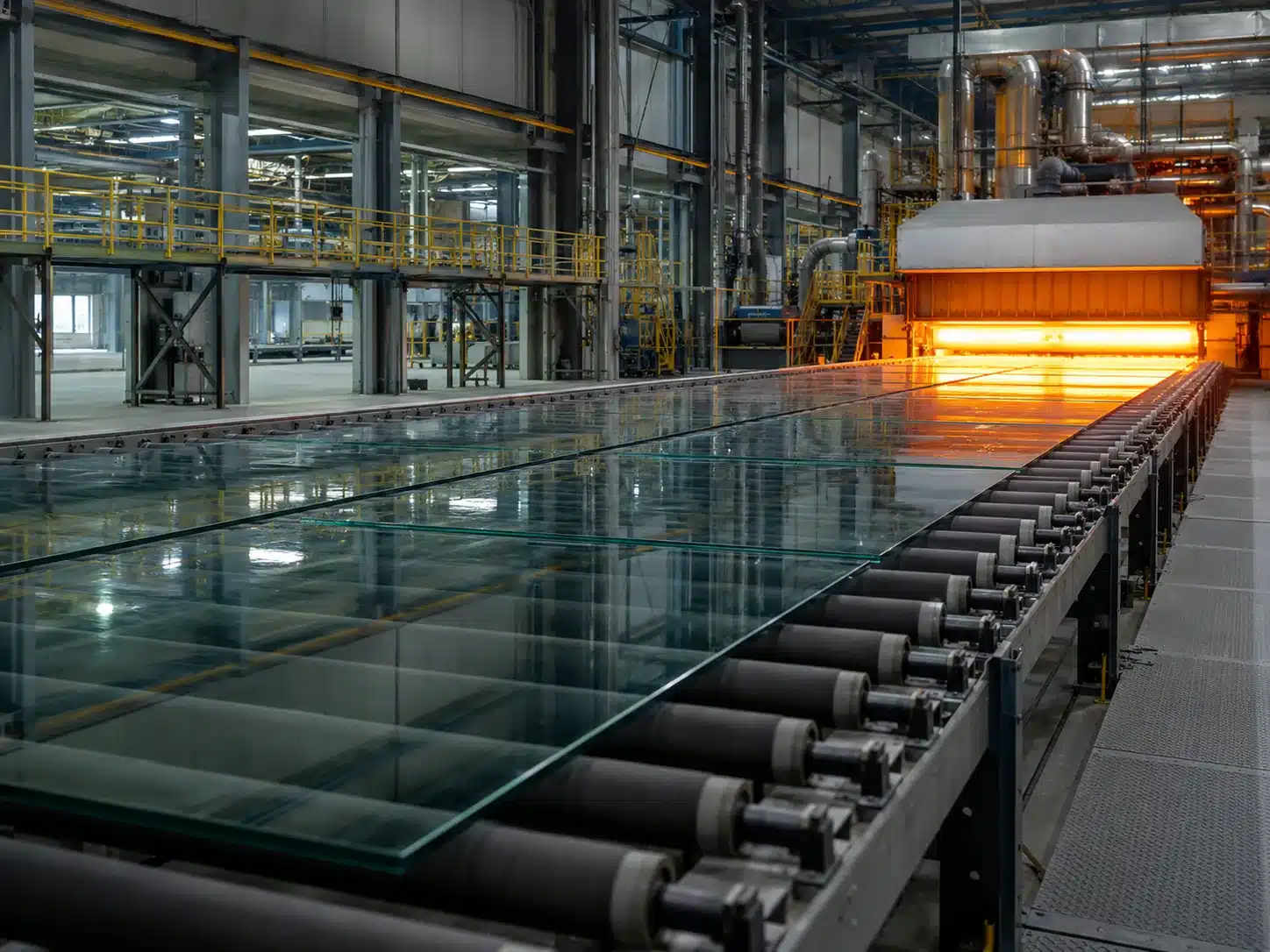
High-temperature thermocouples with metal or ceramic protection for melting and forming.

Immersion and surface temperature sensors for dryers, rollers and process water.
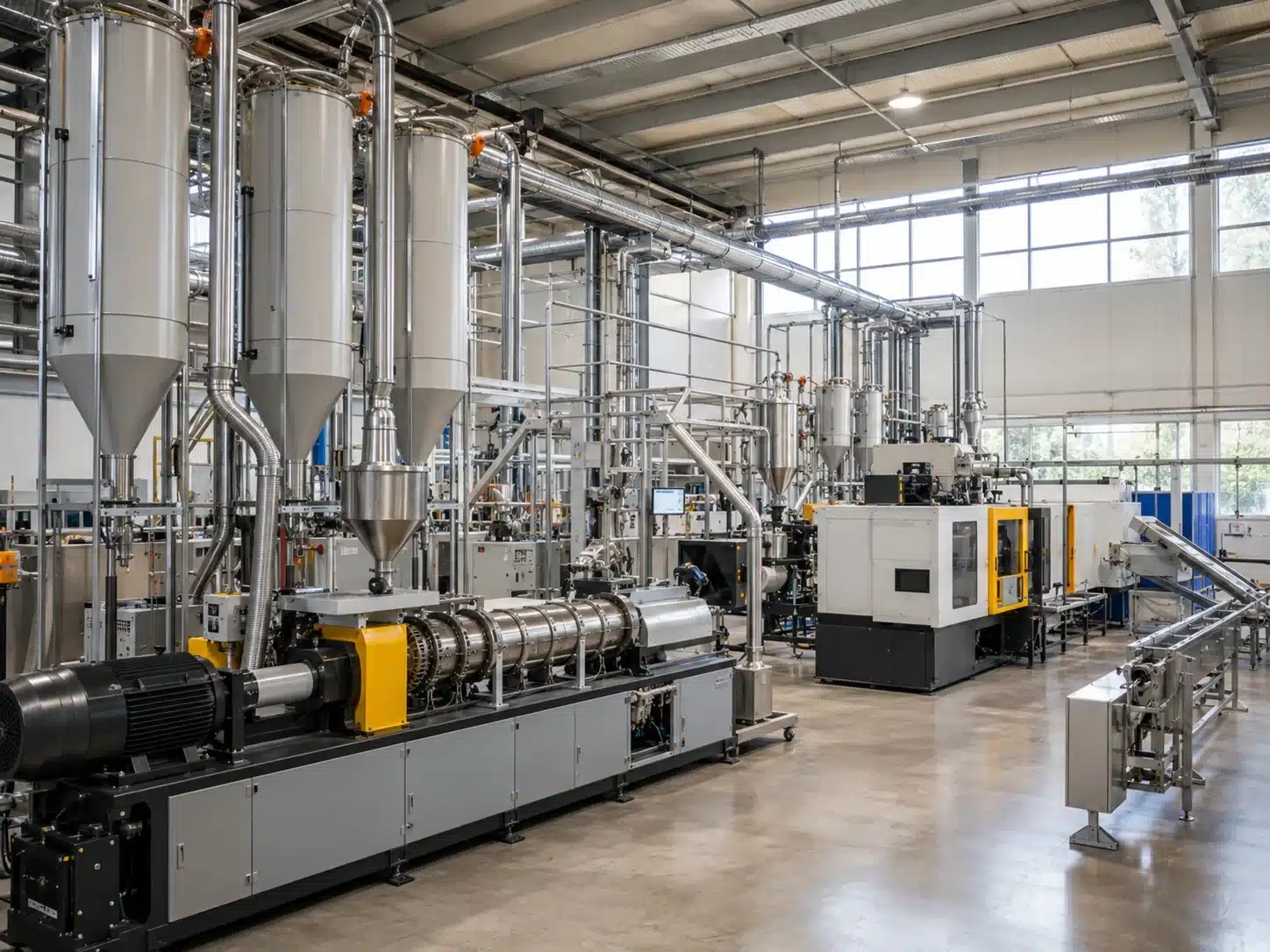
Temperature sensors for extruders, moulds and heated tooling.
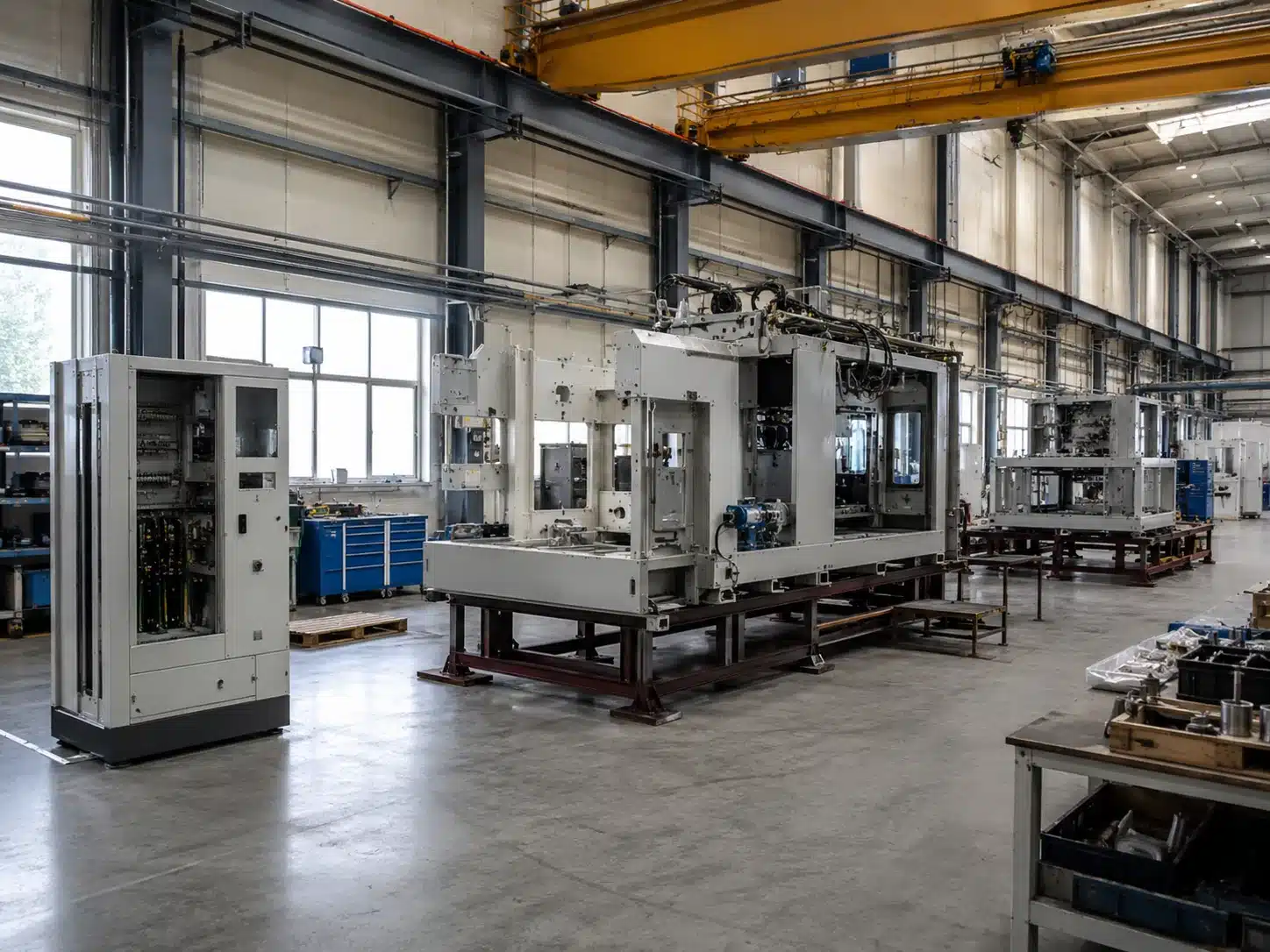
Configurable sensors and bearing-temperature probes to embed in your own equipment.

High-temperature sensors for kilns and coolers, with protection selected for the measuring location.
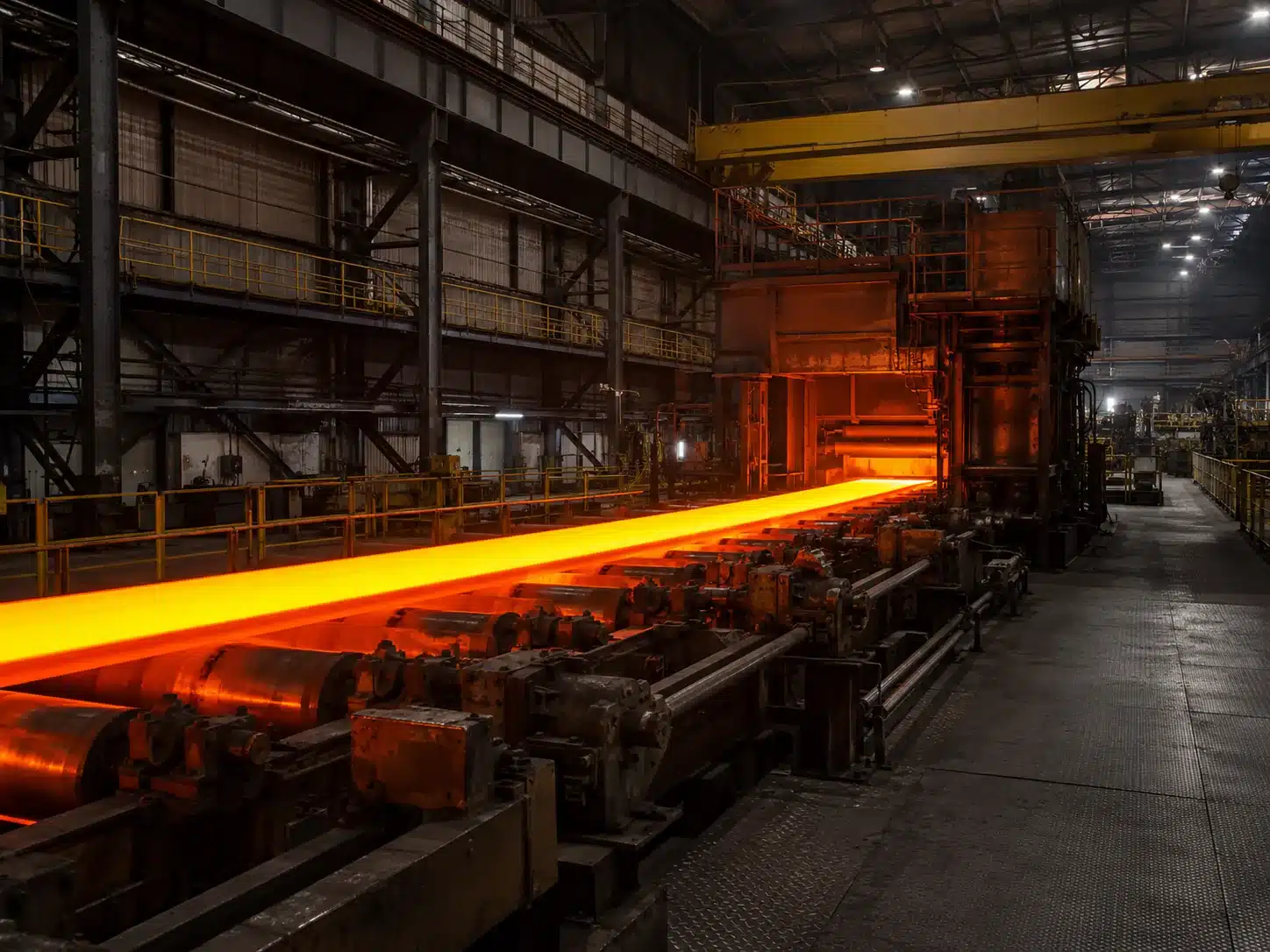
Thermocouples for temperature measurement in industrial furnaces and heat-treatment processes.
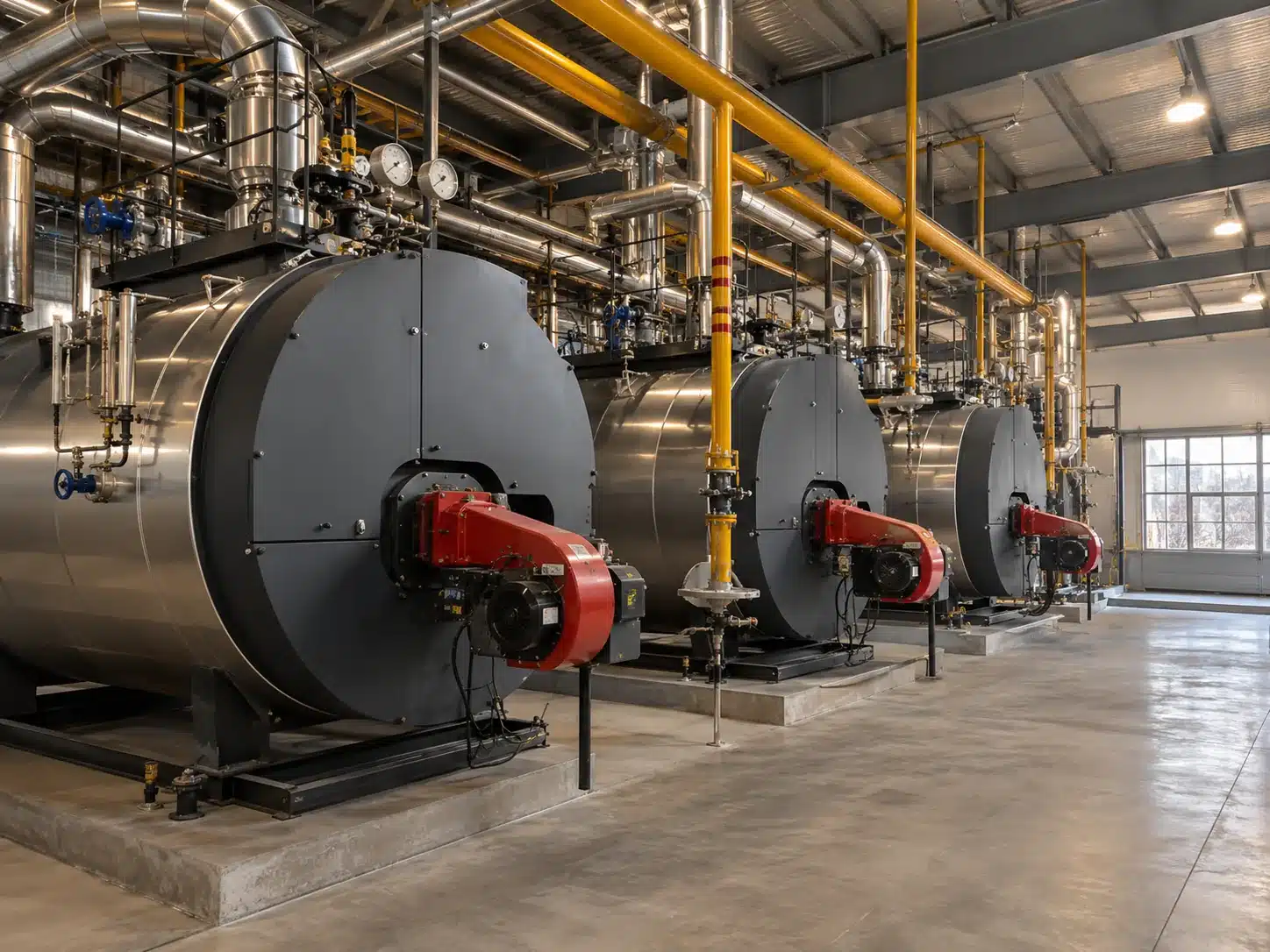
Immersion and flue-gas sensors for boilers, steam and heat generation.

Temperature sensors for drying processes and ceramic-protected thermocouples for tunnel kilns.
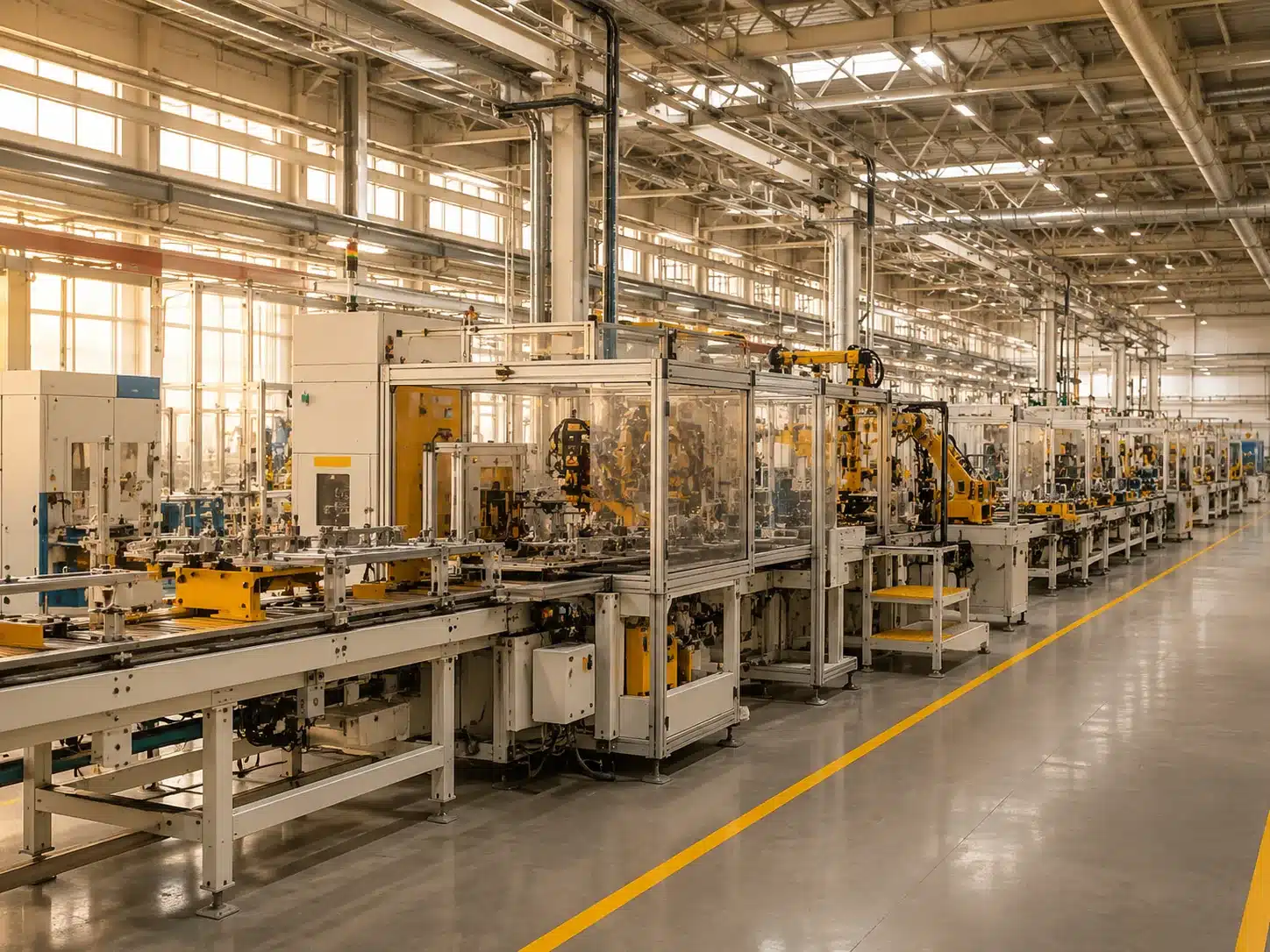
Standard and custom sensors for production lines, ovens and process control.
Choose by what you need to measure
Explore temperature sensors, thermowells and condition-monitoring sensors for your process or equipment. We help you select the design and connections for the installation.
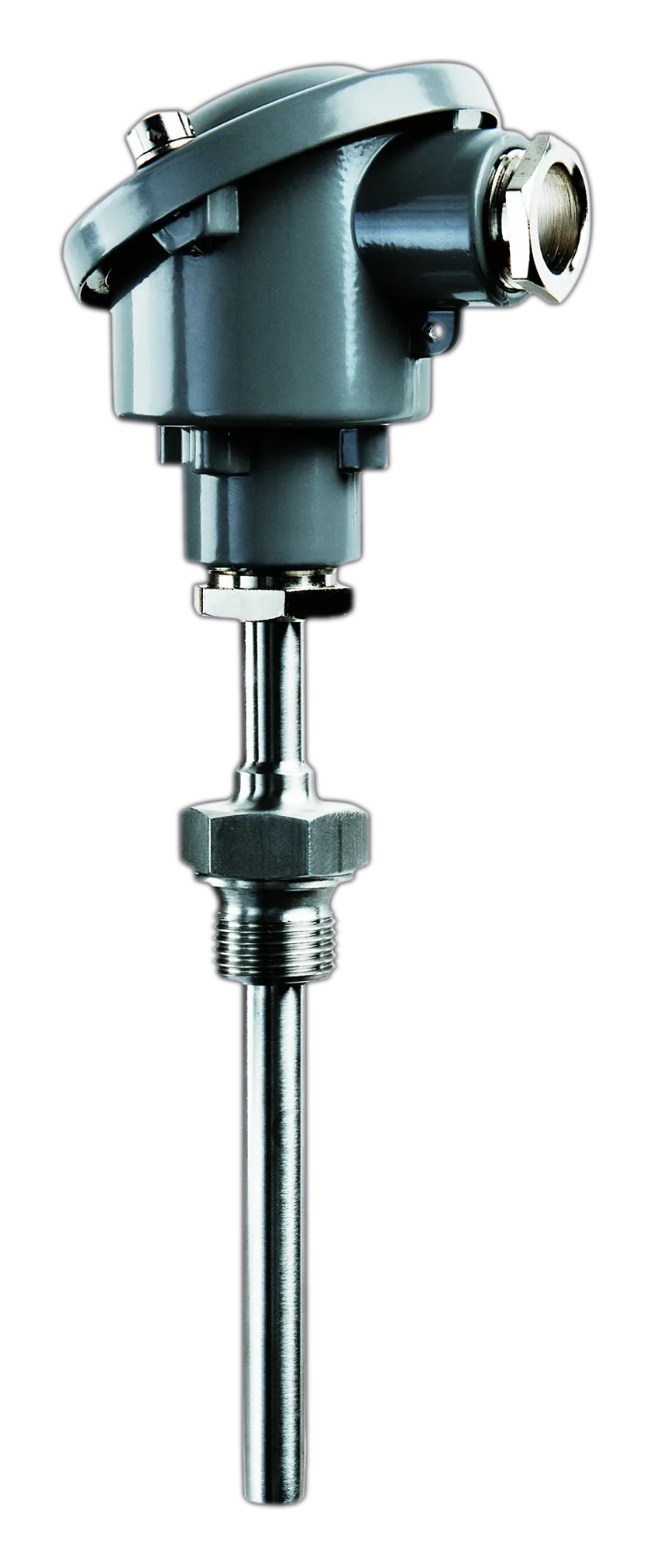
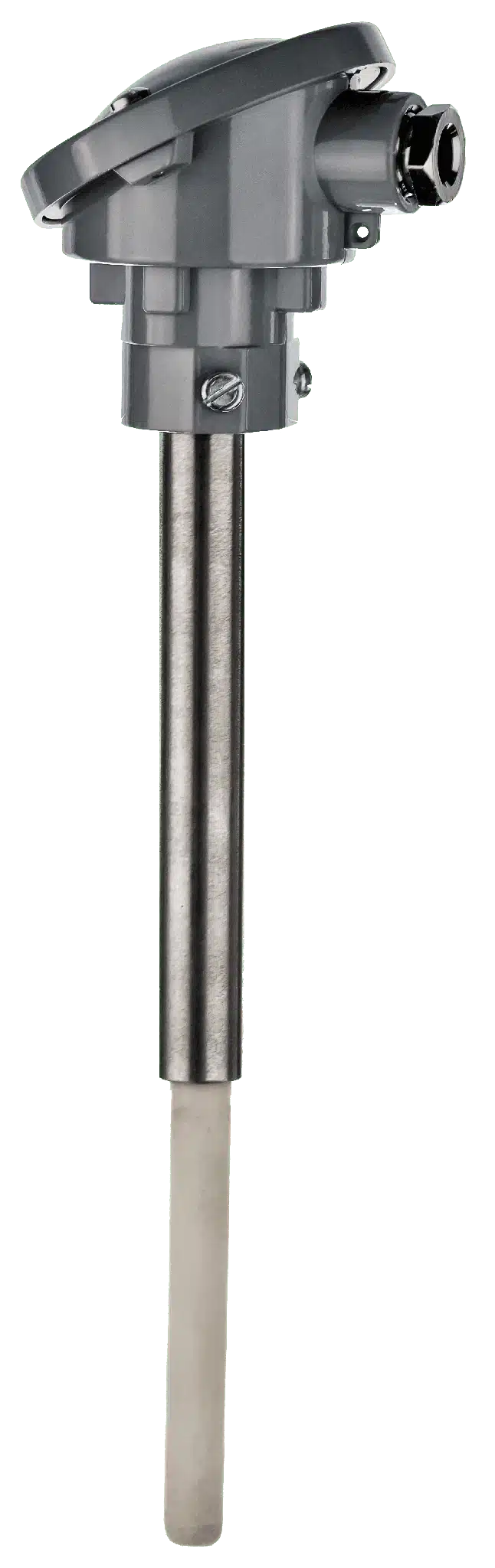
Vibration and bearing-temperature sensors for rotating machinery, with motion sensors for monitoring the position and movement of equipment.
Beyond the standard sensor
Kjaerulf Pedersen offers sensor conditioning and calibration to meet the demands of the application. These services support reliable temperature measurement in cold conditions, during repeated heating and where calibration is required.
Cryo treatment conditions the sensor material for reliable temperature measurement in cold applications. It is specified as an additional treatment for the intended operating conditions.
Repeated heating can cause a temperature sensor to drift. Ageing treatment stabilises the sensor to reduce subsequent drift and improve long-term measurement stability.
In-house calibration across −33 to +700 °C, plus accredited calibration at an external laboratory from −196 to +1200 °C where required.
Condition monitoring: catch developing faults before downtime
Condition monitoring helps you identify developing faults in motors, pumps, fans, compressors and gearboxes, so maintenance can be planned before a breakdown. Vibration is the earliest warning of mechanical wear: it shows an emerging fault at roughly 10% development, against roughly 40% before a temperature alarm and roughly 60% before it becomes audible.
Kjaerulf Pedersen develops and manufactures vibration, motion and humidity/dewpoint sensors alongside its temperature range. These cover different monitoring needs: vibration for rotating machinery, motion for equipment position and movement, and dewpoint for condensation monitoring.
Monitors vibration on rotating equipment to identify early signs of mechanical wear. The KPV200 includes three-axis measurement and on-board FFT for analysing vibration in motors, pumps, fans and compressors.
Vibration Sensor KPV200 / KPV100 →Measures angle, tilt and acceleration to monitor the position and movement of equipment and structures.
KPM100 →Humidity, temperature and dewpoint in one IP67 sensor for monitoring condensation risk in plant rooms, cabinets and enclosures.
KPH300 →Why manufacturers choose Kjaerulf Pedersen
RTD and thermocouple sensors cover cold applications, process temperatures and furnace measurement. Thermowells provide protection where pressure, flow or the medium place demands on the sensor.
Standard designs, your dimensions: immersion length, process connection, sheath material, cable, plug and output are built to order — from a prototype to a volume run.
Source temperature, humidity and dewpoint sensors alongside vibration and motion sensors from Kjaerulf Pedersen. The range supports both process measurement and equipment monitoring.
Kjaerulf Pedersen develops and manufactures its sensors in-house. Application requirements can be discussed with the people who design and build the sensor, whether the need is a standard design or a sensor for your own equipment.
Frequently asked questions
Should I use an RTD or a thermocouple?
Pt100 and Pt1000 RTDs are commonly selected for process measurement where accuracy and stability are important. Thermocouples are used for higher temperatures, including furnaces, kilns and flue gas. The choice also depends on the medium, response time and protection needed at the installation. Our selection guide links these requirements to the relevant sensor types.
What temperature range do your sensors cover?
The range covers cold applications, process measurement and high-temperature furnaces and kilns. The operating limit depends on the complete sensor: the measuring element, protection tube, connections and cable where fitted. The selection guide gives temperature limits for the main high-temperature options; the individual product pages cover the available configurations. Cryo treatment is an additional conditioning service for sensors intended for cold applications.
Do you supply thermowells, and to what standard?
Yes. Kjaerulf Pedersen supplies thermowells to DIN 43772, including weld-in, threaded and flanged designs. A thermowell protects the temperature sensor from process pressure, flow and the medium. The range includes both fabricated designs and thermowells machined from solid bar. For a sensor installed in a separate thermowell, the complete sensor can be removed while the thermowell remains in the process. The material and dimensions are selected for the application; our thermowell pressure-rating guide explains the relationship between pressure, temperature and flow.
Do you supply material certificates and documentation?
Yes — these are specified with the sensor when you order it: a 3.1 material certificate, a certificate of origin and a certificate of conformity.
Do you supply OEMs and machine builders?
Yes. Kjaerulf Pedersen develops and manufactures sensors for machine builders and OEMs to integrate into their own equipment. We work from your specification, adapting the sensor design, dimensions, connections and output to the application. In-house development and production support prototypes, small batches and volume production.
Do you offer condition monitoring as well as temperature sensors?
Yes. Kjaerulf Pedersen supplies the Vibration Sensor KPV200 / KPV100, KPM100 motion sensor and KPH300 humidity/dewpoint sensor alongside its temperature range. Vibration gives the earliest warning of mechanical wear on rotating equipment, helping maintenance teams plan intervention before a breakdown. KPM100 measures position and movement, while KPH300 supports condensation monitoring. The KPV200 communicates via Modbus; temperature transmitters include 4–20 mA and HART options, with head-mounted versions for suitable sensor assemblies. Specify the interface needed for your PLC, SCADA or control system when selecting the sensor.
Can you match or replace a sensor in our existing equipment?
Yes. We manufacture sensors to match the requirements of existing equipment, including immersion length, sheath material, process connection, cable and plug, measuring element and output. Send the existing sensor specification or drawing, together with the operating conditions, so we can specify the replacement.
What about marine, hygienic or oil & gas requirements?
For application-specific requirements, visit our Marine, Hygienic / Life Science or Oil & Gas pages. These cover sensors for marine installations, hygienic processes, and offshore or refinery applications. General Industry brings together sensors for broader process and manufacturing needs.
Specify your sensor with an expert
Tell us what you need to measure, the operating conditions and how the sensor will be installed. For temperature measurement, include the medium, temperature range, pressure, mounting and required signal so we can suggest the right configuration.