Marine Industry – Marine-Approved Temperature Sensors & Ship Monitoring Systems
The marine environment is brutal. Saltwater, vibration, heat and corrosion break standard products — so we engineer sensors built for it. Kjaerulf Pedersen a/s engineers customer-specific sensors for life at sea, built and delivered fast: from exhaust gas monitoring on two- and four-stroke engines to real-time motion and vibration data on the bridge. Our entire marine temperature sensor program is approved by six of the world's leading classification societies.

Engines — exhaust gas, water, oil & bearings
On a two-stroke or four-stroke marine engine, sensors monitor exhaust gas, cooling water, lube oil and bearings — each measurement with its own demands, all of them in an environment of heat and relentless vibration.
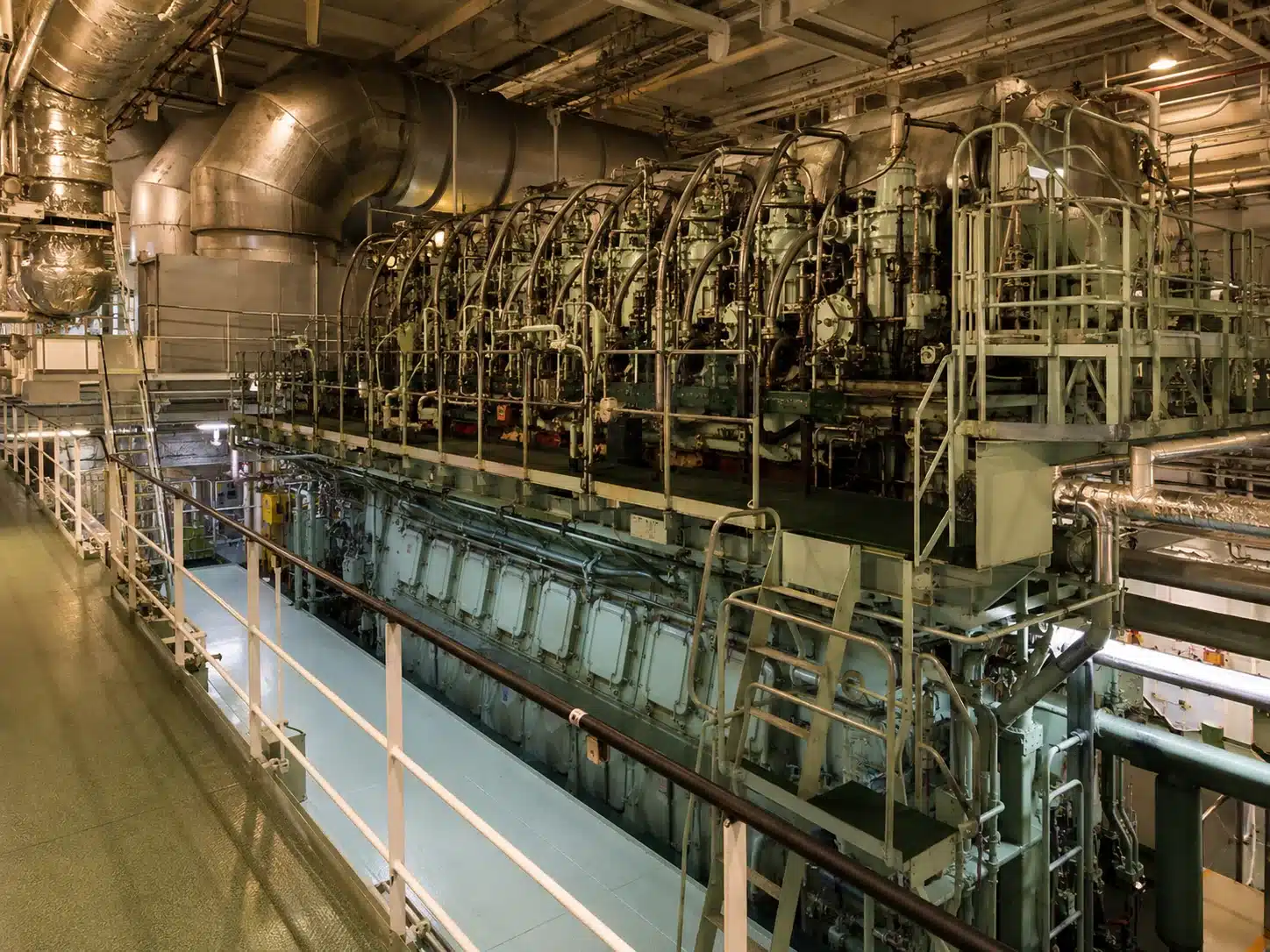
Exhaust gas temperature
Vibration-proof exhaust gas temperature sensors for two- and four-stroke engines. A solid drilled protective pocket absorbs vibration and mechanical stress, and the spring-loaded, mineral-insulated insert can be replaced without removing the pocket — a sensor change never becomes an engine intervention.
Water, oil & lubricant temperature
Cooling water and lube oil temperature measured directly on the engine — robust sensors with a replaceable measuring insert, so maintenance never means downtime.
Bearing temperature
Real-time bearing temperature monitoring in engines and rotating machinery catches overheating, lubrication failure and wear early.
Stern tube bearing monitoring
A stern tube bearing failure means unplanned dry-docking — and from the first second in dock, a ship earns nothing. Continuous bearing temperature monitoring catches the early signs of lubrication failure, misalignment and seal degradation.
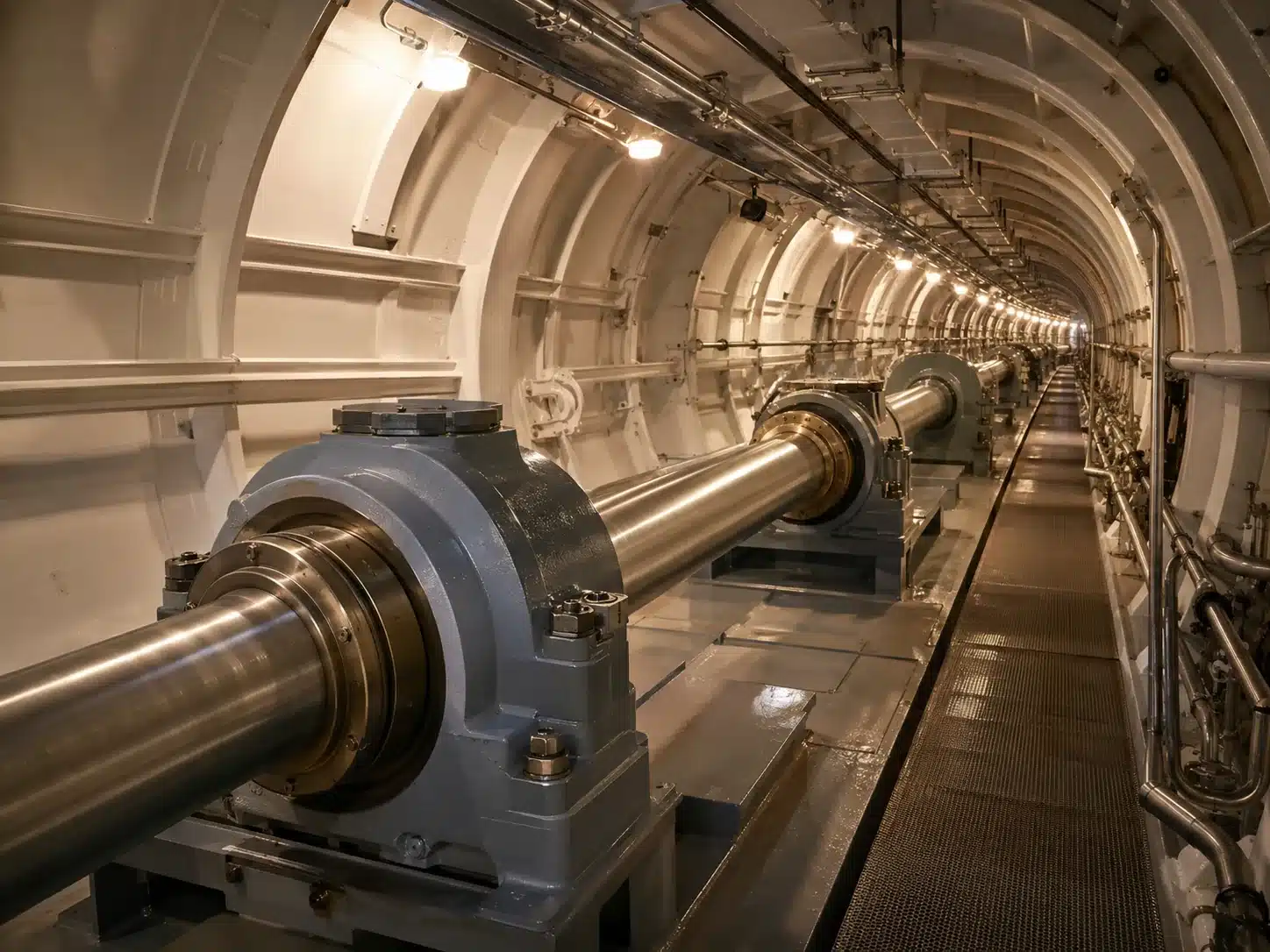
Stern tube bearing temperature
Purpose-built sensors for continuous monitoring of the stern tube bearing — mineral-insulated for the conditions around the propeller shaft, with a flexible-cable version for confined compartments. 4-20 mA output for direct PLC integration and HART for remote diagnostics and predictive maintenance.
Ballast tanks & ballast operations
Ballast is about more than the tanks: correct ballasting keeps the vessel level in the water for optimal fuel consumption and speed. Motion data from our ship monitoring systems supports ballast operations and stability documentation — see Ship systems below ↓
Cargo tank temperature — oil, LNG and LPG — is covered under Oil and Gas.
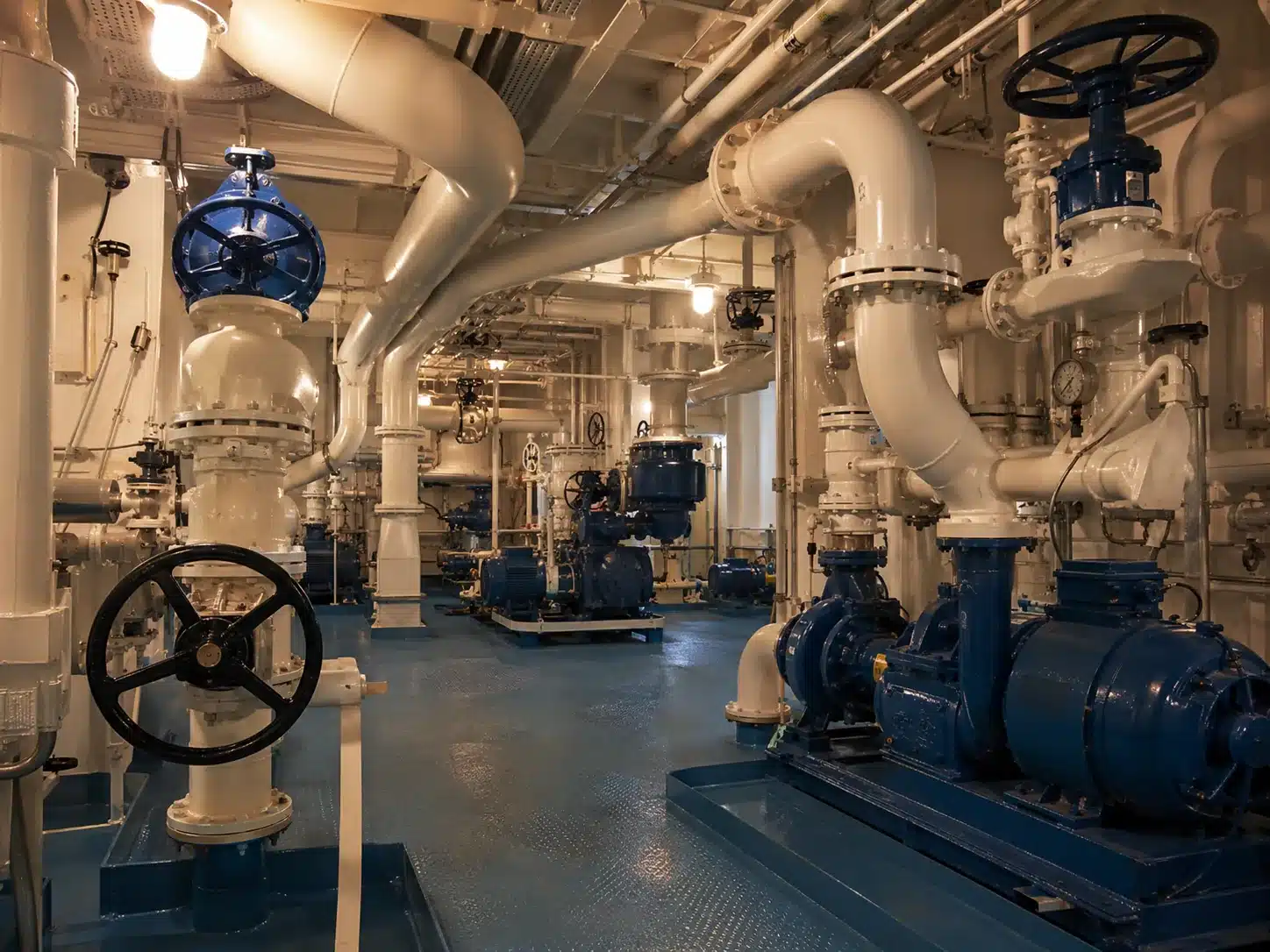
Ballast tank temperature
Temperature measurement in ballast systems, auxiliary loops and control stations — built on the same proven, marine-approved sensors used across the engine room.
Rooms & HVAC onboard
Provision cold stores, freezer compartments, damp rooms and air handling — the quiet measurements that keep a ship habitable and its provisions safe.

Room & air temperature
Damp rooms, provision cold stores and freezer compartments onboard.
Browse storage room sensors →Multipoint monitoring
Eight measuring points in one Modbus output — air and room monitoring with diagnostics and averaging.
Browse marine HVAC sensors →Uptime is everything at sea.
Data collected in operation gives you the knowledge to plan service, spare parts and maintenance with maximum efficiency — and to minimise time in dock.
KPM100 — motion
Roll, pitch, yaw, acceleration and angular velocity in real time over Modbus RTU. Used where movement and position matter: ballast levelling, stability, dynamic trim.
KPV200 — vibration
Vibration is one of the earliest indicators of mechanical wear: a developing fault can be detected at roughly 10% development — where temperature alarms typically react around 40% and audible symptoms around 60%. On-board FFT processing, three axes, plugs into any PLC.
KPM measures motion — angle, direction, acceleration. KPV measures vibration. Together they give the complete picture: structural movement and early-stage mechanical wear.
Motion Detecting Unit — ship motion turned into decisions
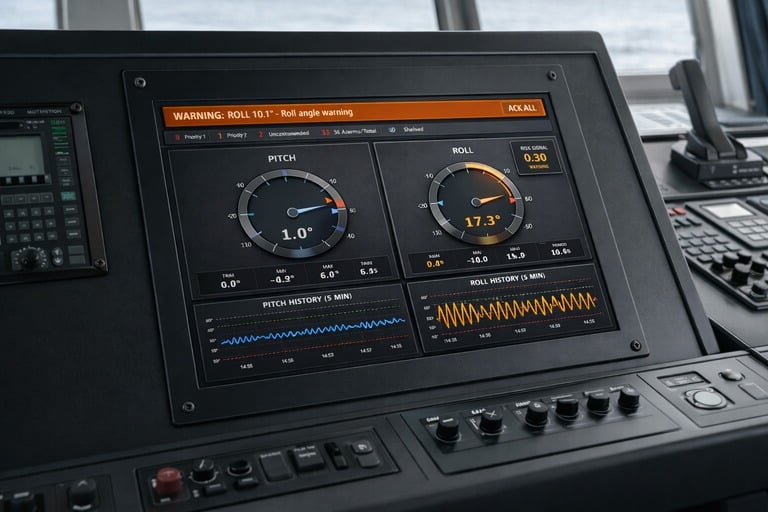
Pitch, roll, dynamic trim, list and motion intensity — 100 measurements per second, processed onboard with no third-party dependency, stored internally for 4–5 months. Crew-installable, owned outright with no subscription, running 24/7/365. Combined with vessel speed, fuel flow, draft and depth from existing onboard systems, it is the data foundation for decisions on trim, route, speed and cargo operations. From January 2026 the IMO performance standard for electronic inclinometers applies — motion measurement becomes a documented requirement on board.
What MDU does for your vessel type:
Container vessels
Early identification of parametric, synchronous and resonance roll — before conditions exceed the limits of lashing systems and container stowage.
Bulk carriers
Cargo shift risk assessment, hull stress documentation in heavy weather, and operational decisions when roll phenomena develop.
RoRo & car carriers
Wide beam and low GM make these vessels particularly sensitive to parametric roll. Motion data supports cargo securing verification and stability decisions.
Offshore support vessels
Motion within defined limits is an operational precondition: crew transfer windows, DP integration, cargo transfer operations.
Passenger vessels
Route optimization for passenger comfort, stabilizer performance verification, and sea-keeping documentation.
Oil & product tankers and LNG carriers: the cargo side is covered under Oil and Gas.
Documented in the field:


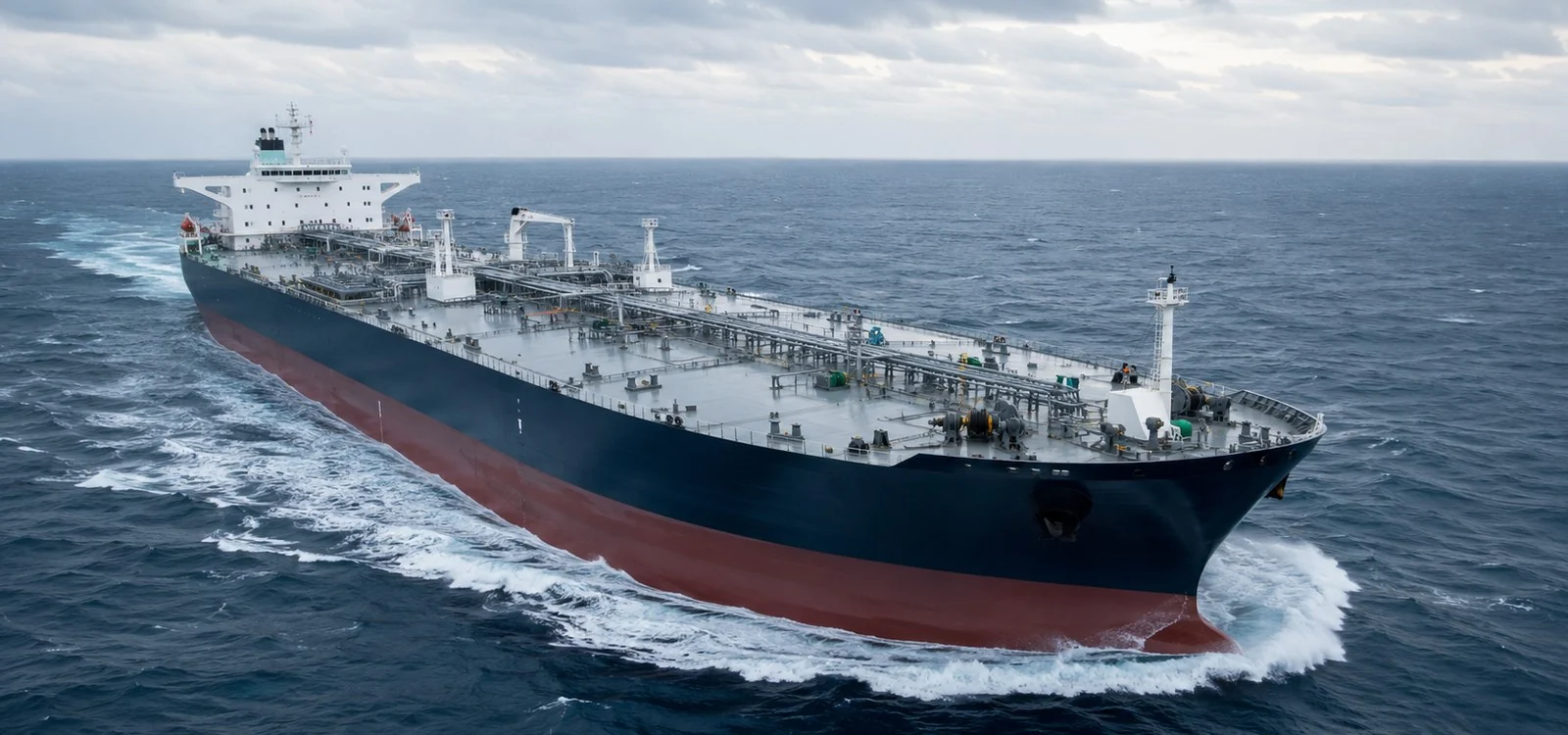
Our marine temperature sensor program — approved by six of the world's leading classification societies
DNV, Lloyd's Register, Bureau Veritas, ABS, ClassNK and RINA. These approvals cover your vessels wherever they operate, ensuring global compliance.





Frequently Asked Questions — Marine Sensors
Which temperature sensors are used for marine engine exhaust gas monitoring?
Exhaust gas temperature on two- and four-stroke marine engines is monitored with vibration-proof exhaust gas temperature sensors built for extreme heat and constant mechanical stress. Kjaerulf Pedersen's exhaust gas sensors combine a solid drilled protective pocket that absorbs vibration with a spring-loaded, mineral-insulated insert for fast, accurate readings — replaceable without removing the pocket. The marine program is class approved.
What certifications do marine temperature sensors need?
Marine temperature sensors intended for classed vessels generally require type approval from a recognised classification society. The required approval depends on the application and vessel type, so always confirm what the shipyard or operator requires. Kjaerulf Pedersen's entire marine temperature sensor program is approved by six of the world's leading societies — DNV, Lloyd's Register, Bureau Veritas, ABS, ClassNK and RINA.
What temperature sensors are used in ballast water systems and scrubbers?
Ballast water treatment systems and exhaust gas scrubbers both rely on accurate temperature measurement for process control and compliance. These wet, chemically aggressive environments call for corrosion-resistant sensors with high IP ratings. RTD (Pt100) sensors are common where precision matters, with 4-20 mA or Modbus output for integration into the system's control unit and reporting.
Can I get a custom marine sensor for a retrofit or spare part replacement?
Yes. Custom marine sensors can be built to match existing installations for retrofit and spare-part replacement, even when connectors, process attachments and insertion lengths are fixed. You keep the original mounting and interface while improving quality, response time or robustness — and flexible production means customer-specified sensors are delivered fast, which matters when a vessel is in port and downtime is costly.
Why monitor stern tube bearing temperature?
Because a stern tube bearing failure means unplanned dry-docking. Continuous temperature monitoring of the stern tube bearing detects the early signs of lubrication failure, misalignment and seal degradation, giving the crew time to act before damage escalates. Modern sensors integrate directly with ship automation over 4-20 mA and HART, supporting automated alarms and predictive maintenance.
What is parametric roll — and can it be predicted?
Parametric roll is a resonance phenomenon where a vessel's rolling grows rapidly when the wave encounter period aligns with the ship's natural roll period. It can escalate quickly and endanger crew, cargo and ship. It can be foreseen: real-time motion monitoring identifies the onset, giving time to change speed or heading and deploy countermeasures before conditions escalate.
How early can vibration monitoring detect a developing fault?
At roughly 10% of fault development. Vibration is one of the earliest indicators of mechanical wear — by comparison, temperature alarms typically trigger around 40% and audible symptoms around 60%, when damage is already done. Continuous vibration monitoring on motors, pumps, compressors and rotating equipment gives maintenance teams the lead time to plan repairs instead of reacting to breakdowns.
What data does a Motion Detecting Unit record?
A Motion Detecting Unit records pitch, roll, dynamic trim, list and motion intensity at 100 measurements per second, using a hybrid platform of accelerometer, gyroscope and magnetometer. Data is processed onboard, stored internally for 4–5 months, and can be combined with vessel speed, fuel flow, draft and depth from existing onboard systems. The unit is crew-installable and runs continuously, 24/7/365.
What belongs on this page — and what belongs on Oil and Gas?
Oil and Gas covers the cargo and the facility: storage and cargo tanks, terminals, refineries, offshore installations, LNG facilities and pipelines — including the cargo side of tanker and LNG carrier operations. Marine covers the vessel and its systems: engines, stern tube, ballast tanks and the marine-approved temperature sensor program, as well as the Motion Detecting Unit (MDU) system itself. The two pages cross-link: start from what you operate — the cargo on Oil and Gas, the ship here.
Talk to Us About Marine Sensors
From a single replacement sensor to complete newbuild programs — our engineers know the marine environment and the approvals it demands. Tell us what you need to measure, and we will find or build the solution.