Temperature sensors for power & energy
KP manufactures temperature sensors and thermowells for power plants, turbines, generator sets and waste-to-energy plants. Our resistance thermometers and thermocouples are built to relevant DIN and IEC standards and configured to match your installation and operating conditions.
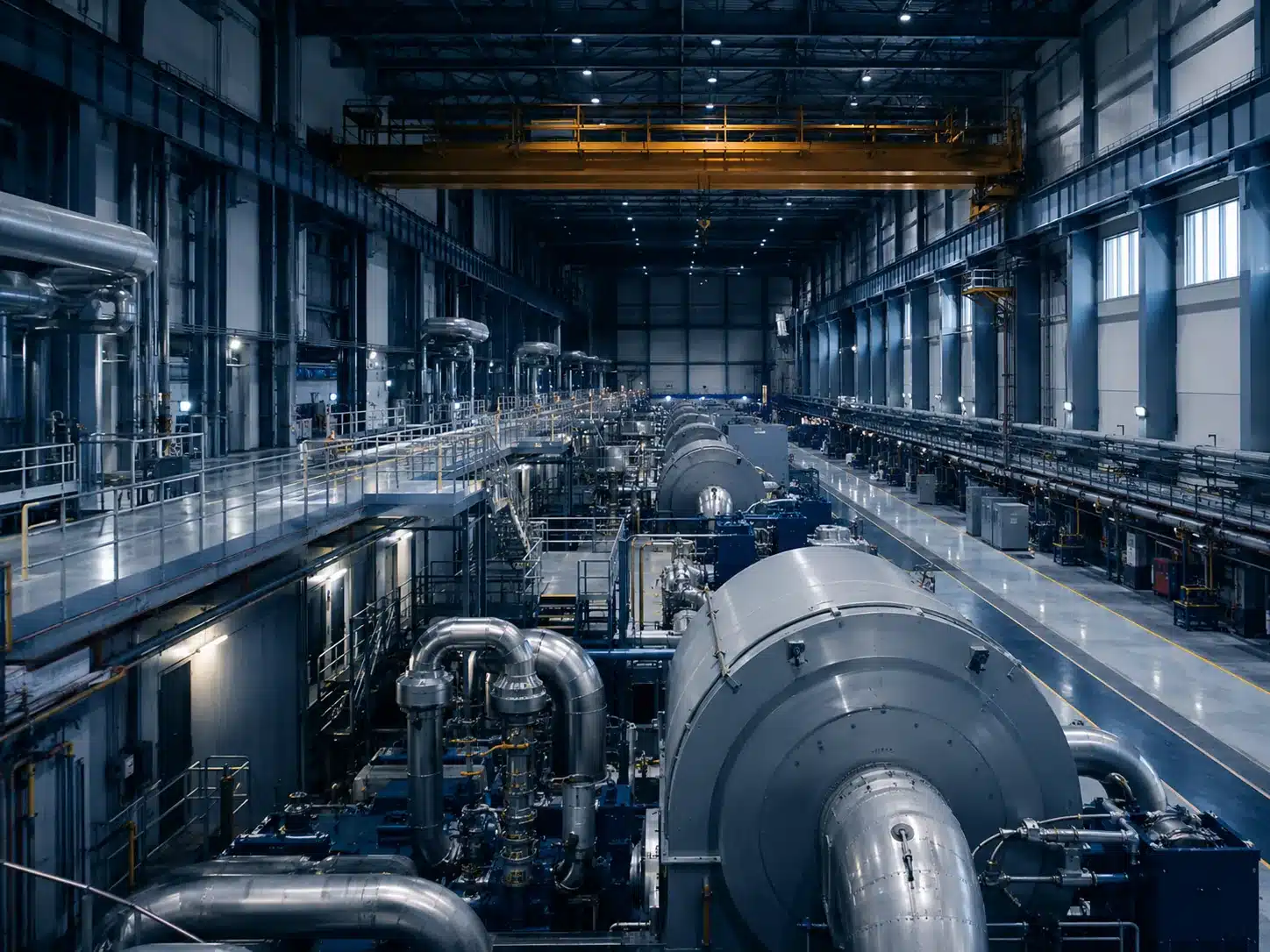
Kjaerulf Pedersen a/s designs and manufactures temperature sensors and thermowells for operating power plants. The programme covers steam and water circuits, combustion and flue gas, bearings and auxiliary equipment. Vibration, motion and humidity sensors extend monitoring to the condition of the plant itself.
Waste incineration & waste-to-energy
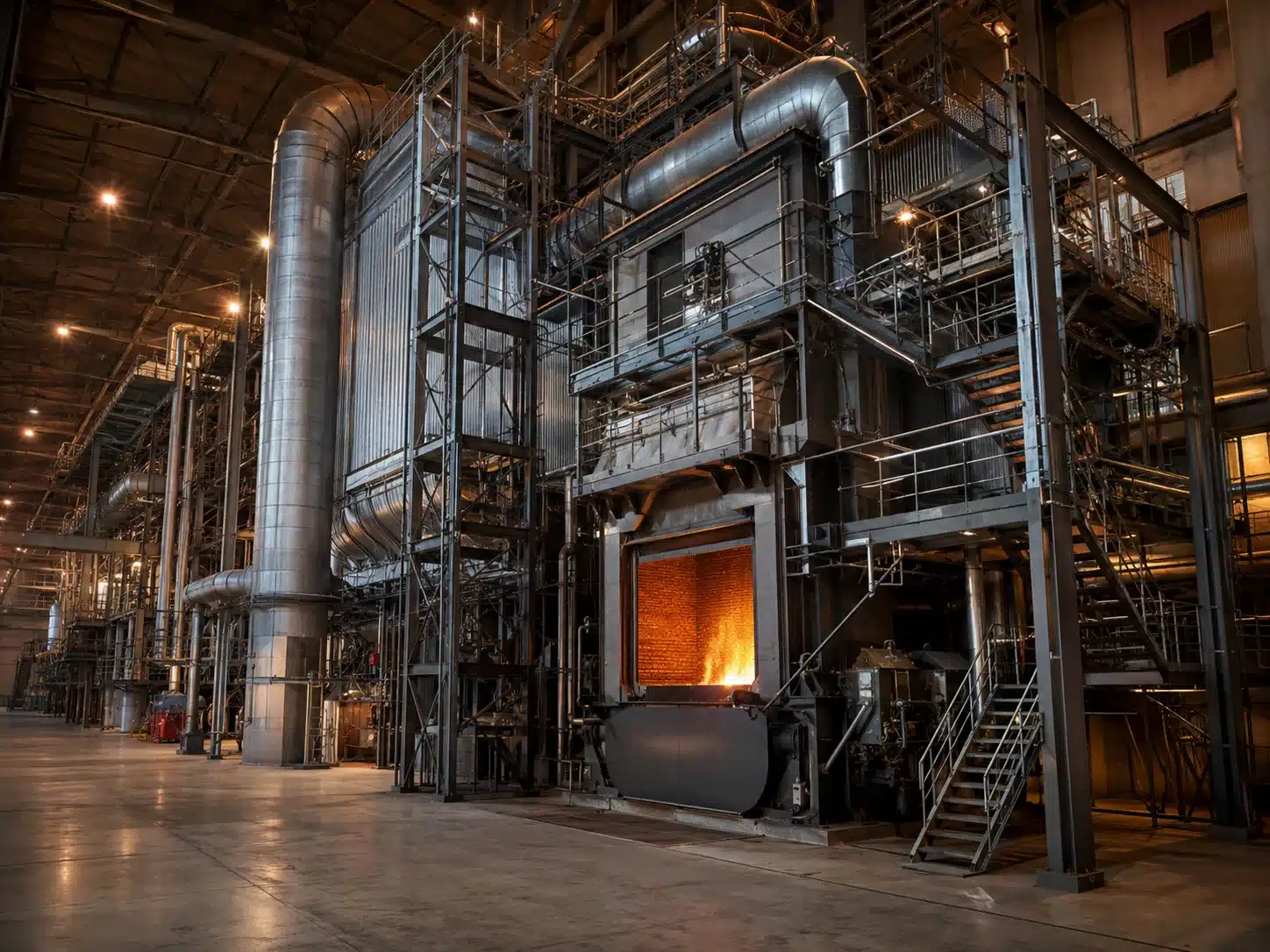
Corrosive flue gas and sustained heat can damage protection tubes and cause thermocouple drift. KP selects the thermocouple, protection material and mounting for the conditions in each part of the plant. Type K and N serve combustion and flue gas applications; ceramic-protected Type S, R and B assemblies cover high-temperature duties up to 1600 °C.
Find your application
Find temperature sensors for the systems you operate. Choose an application to see the relevant products.
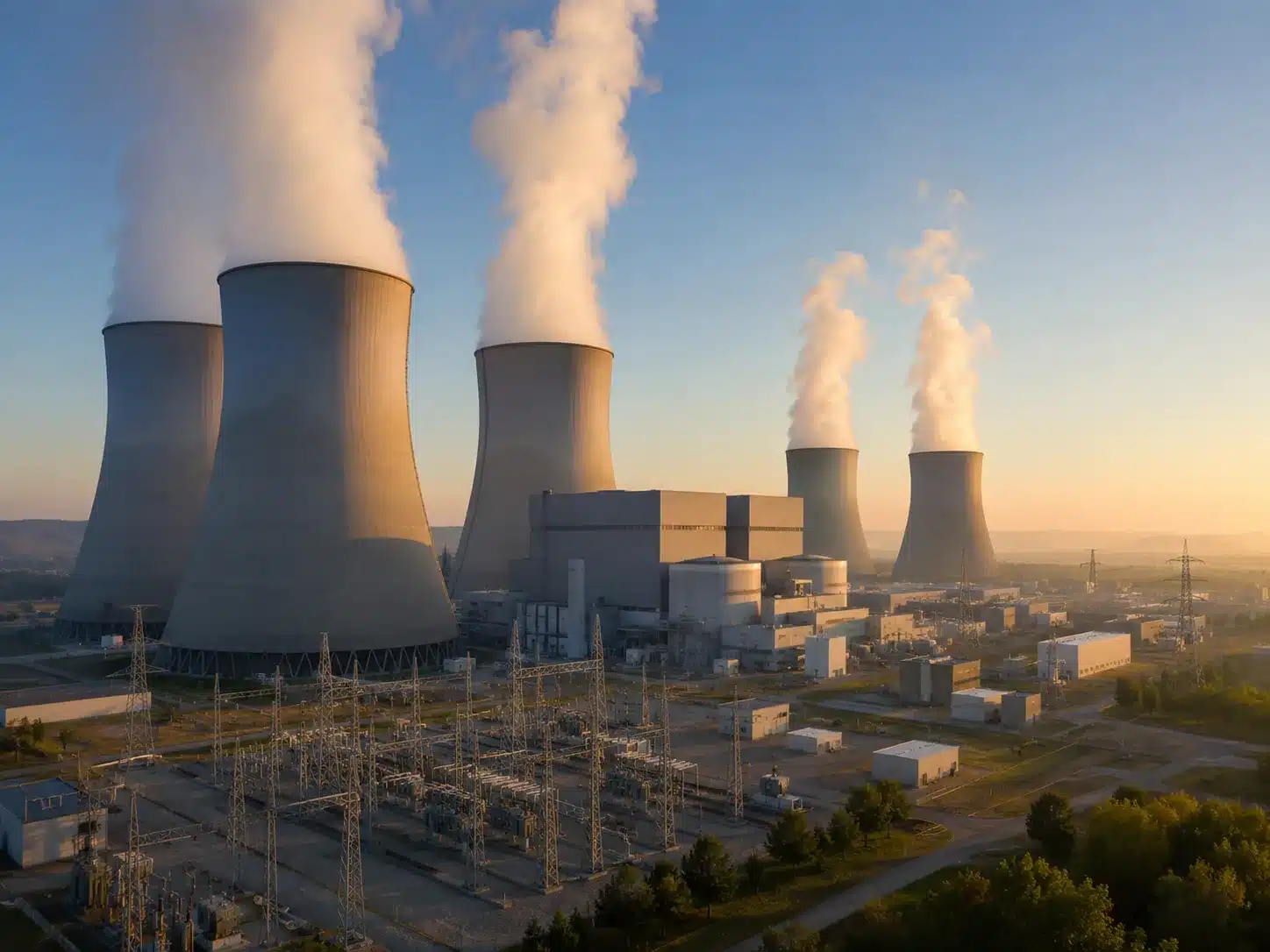
Temperature sensors for boilers, steam and water circuits, flue gas and auxiliary systems.
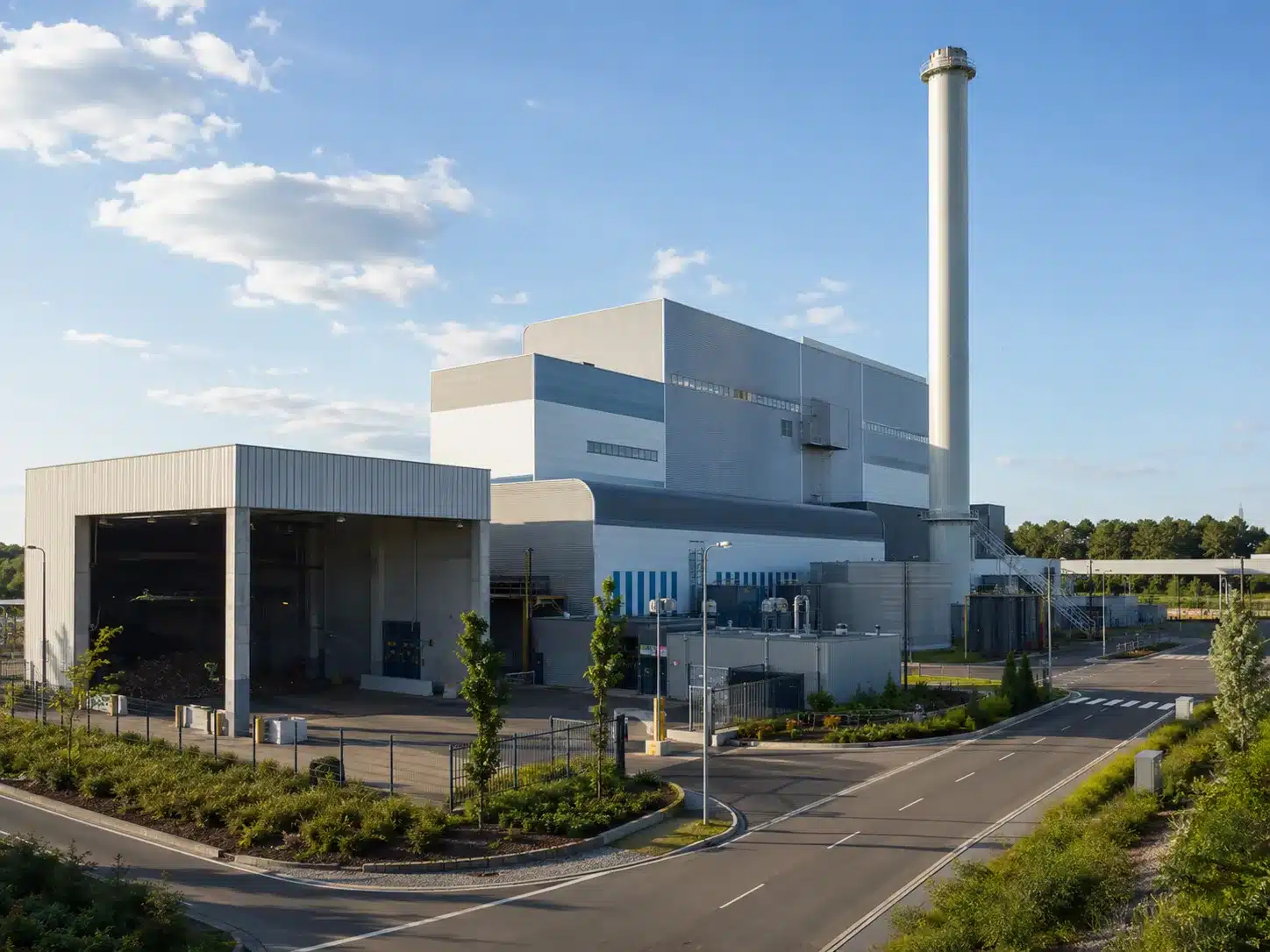
High-temperature thermocouples for waste-to-energy and biomass combustion.
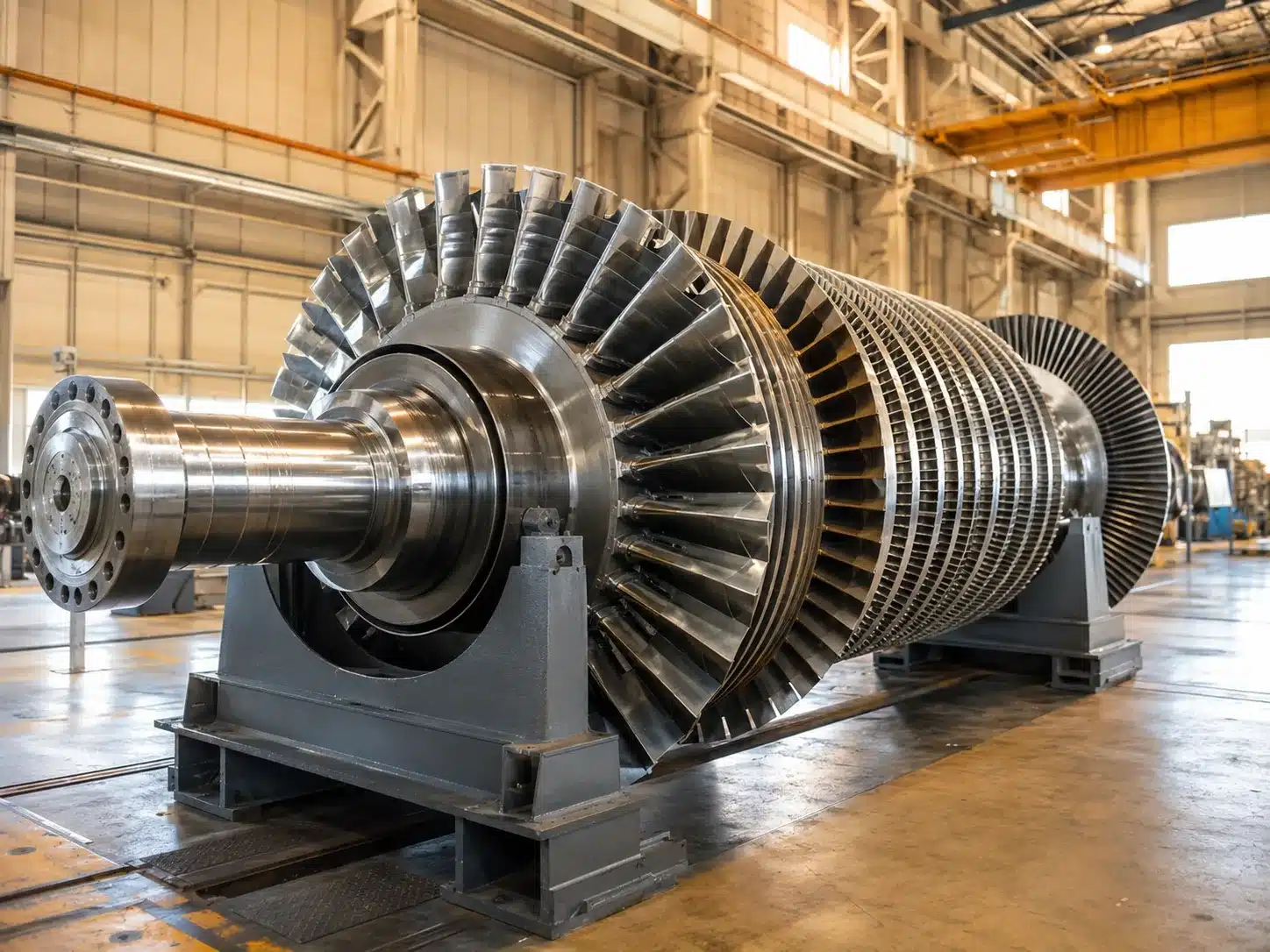
Temperature measurement in bearings, oil systems, steam circuits and turbine exhausts.
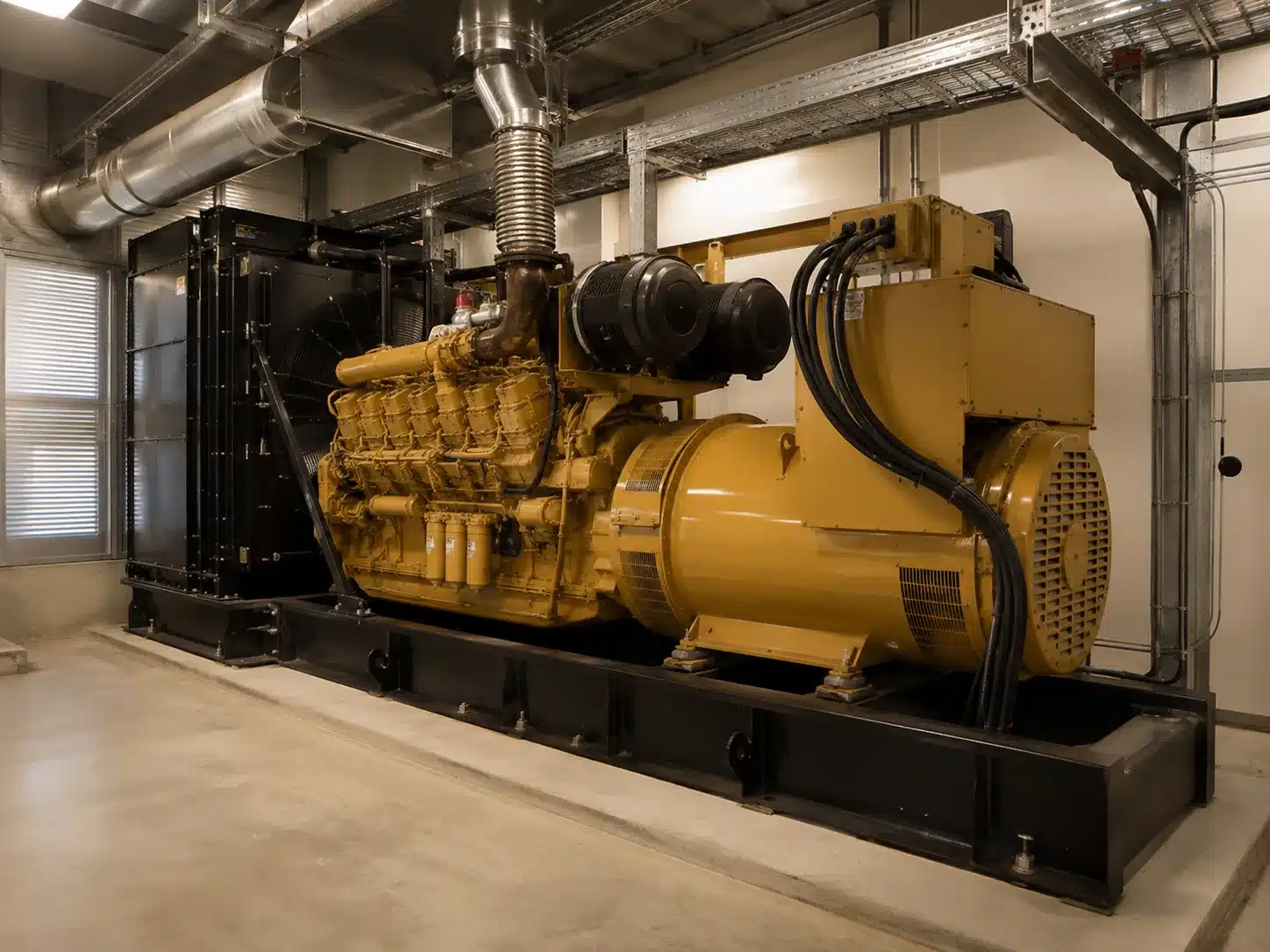
Engine, exhaust, cooling and bearing sensors for continuous and standby operation.
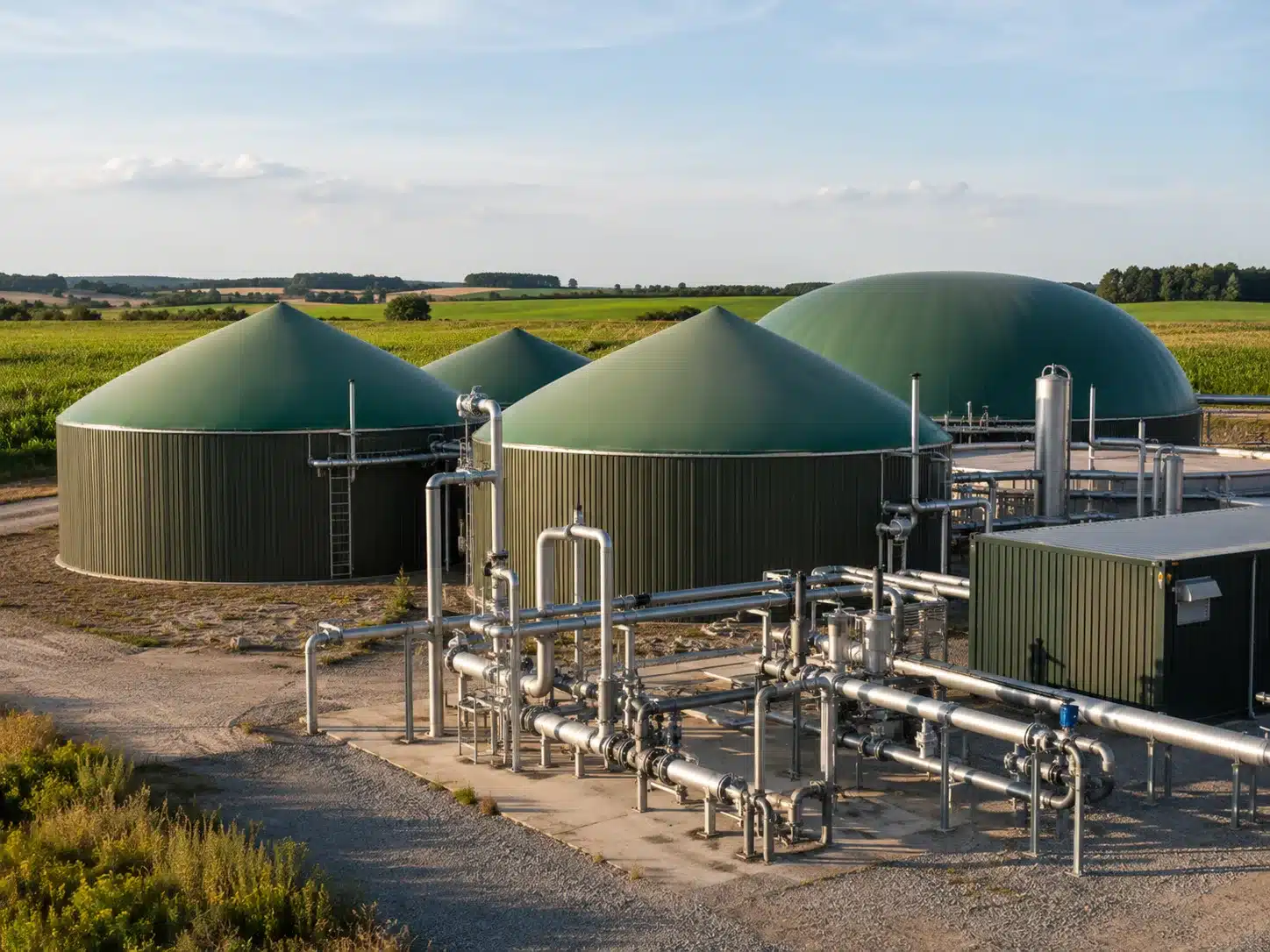
Process and engine temperature measurement for biogas-fuelled CHP operation.

Temperature sensors for wind turbine bearings and nacelle systems, including replacement sensors for existing installations.
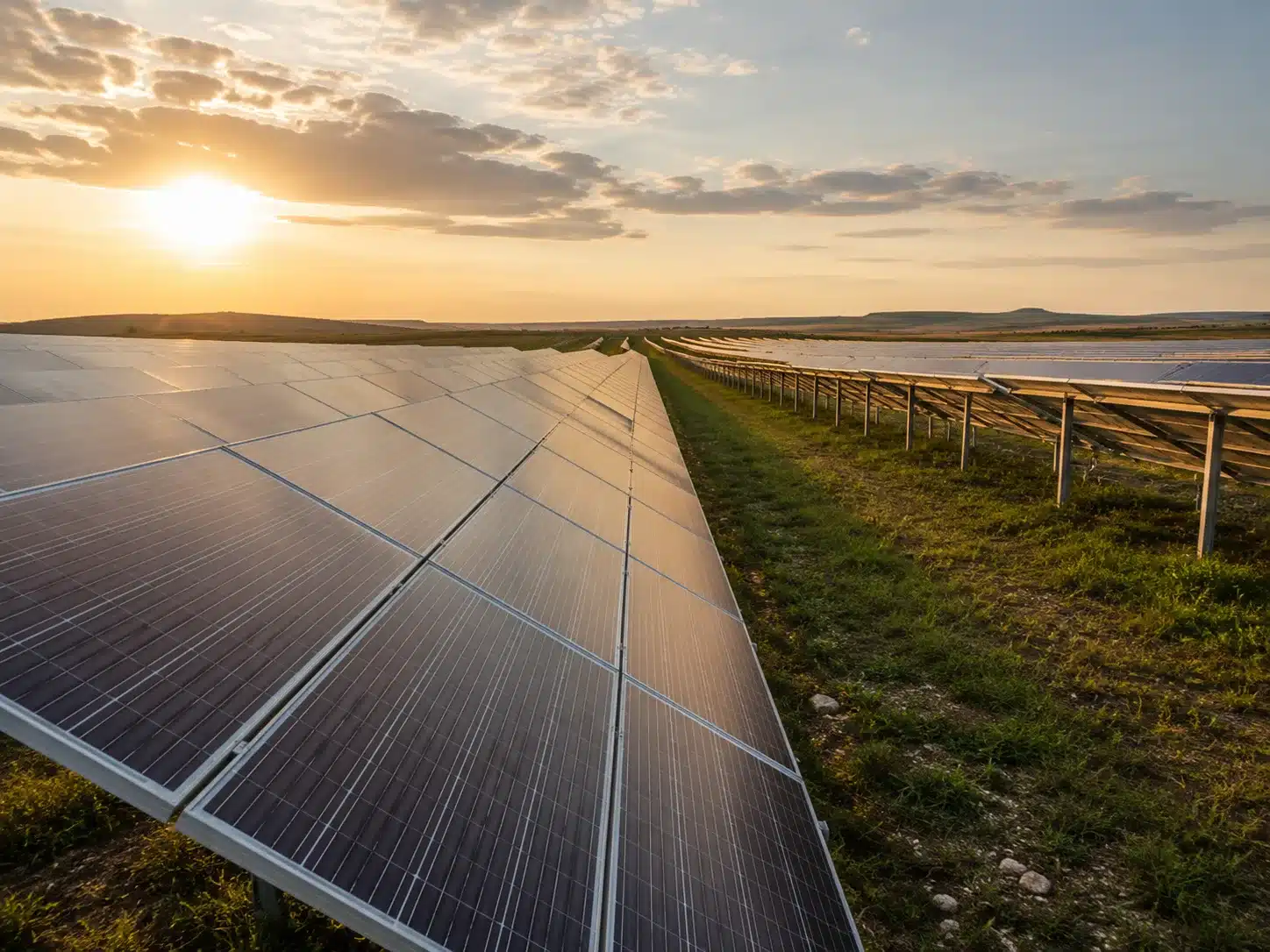
Temperature measurement in solar plant operation and thermal storage.
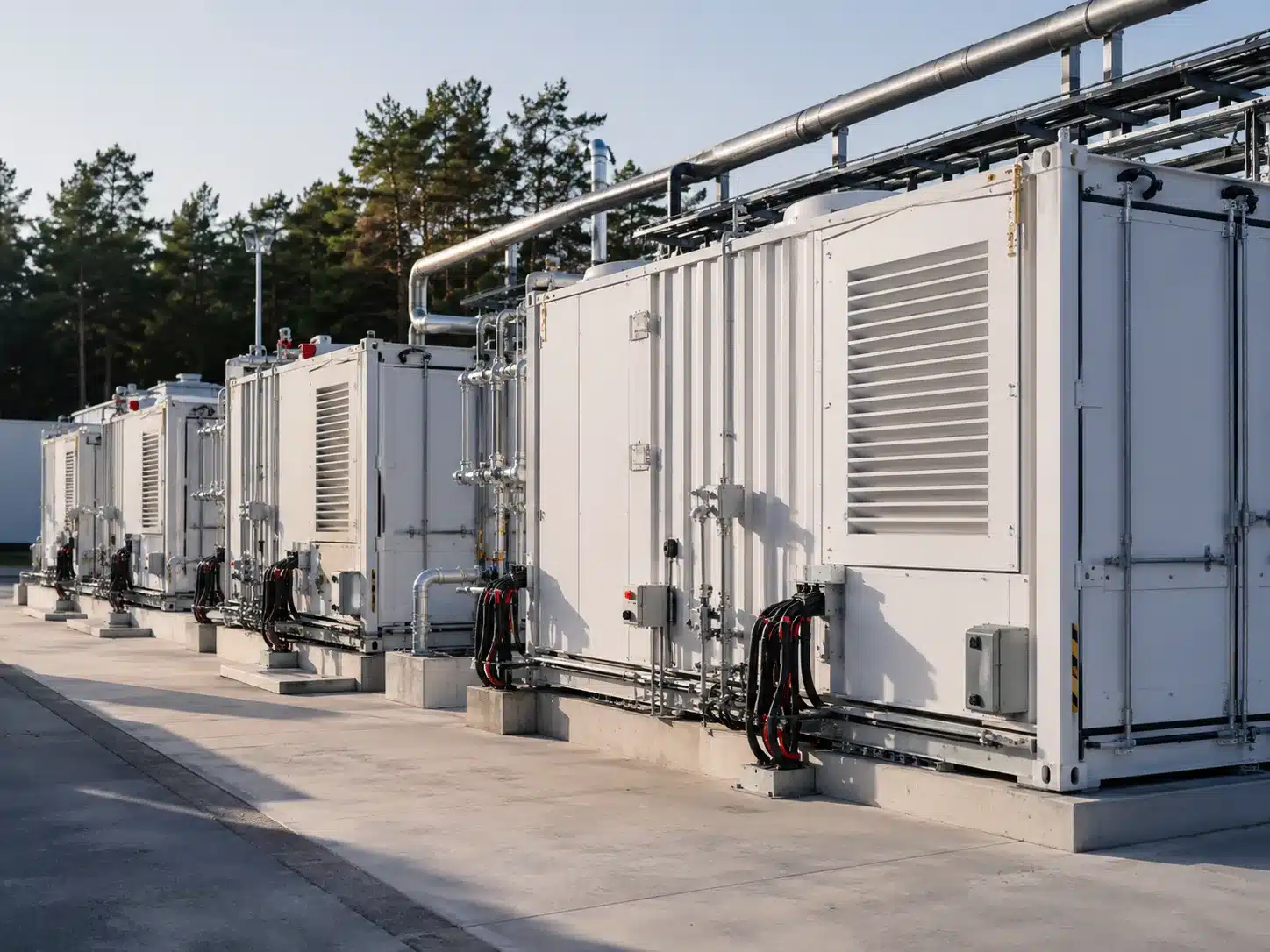
Compact and mineral-insulated sensors for fuel cell systems in energy production.
Temperature sensors for your measuring task
Choose by the medium, temperature and installation. KP builds the assembly to suit the operating conditions and the dimensions of your plant.
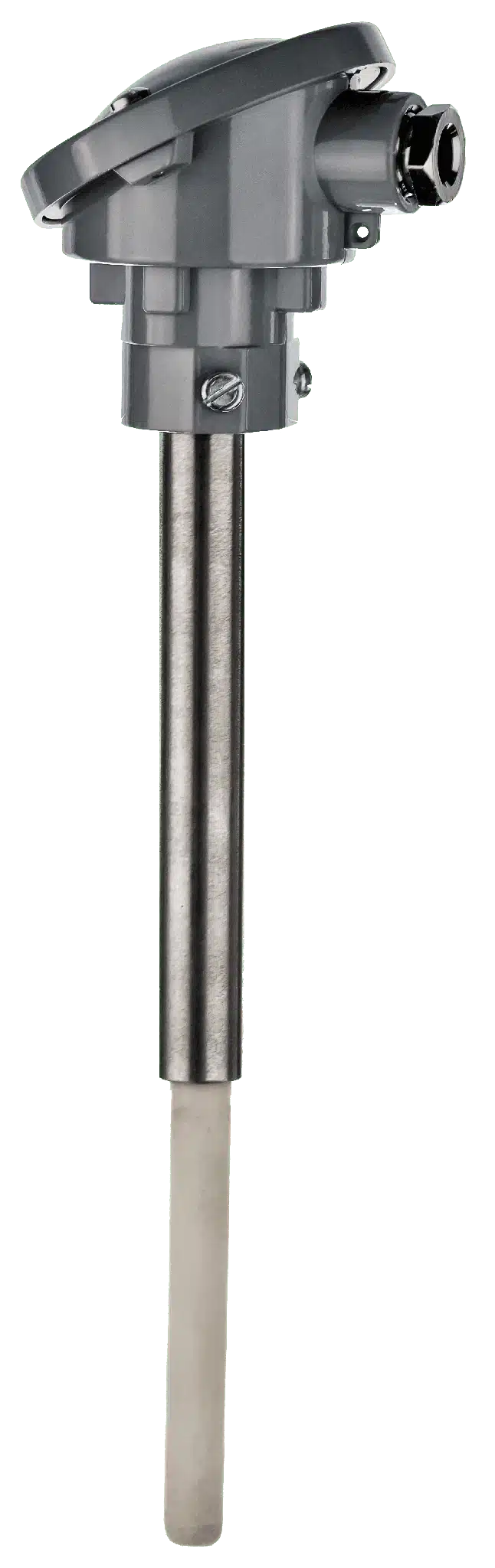
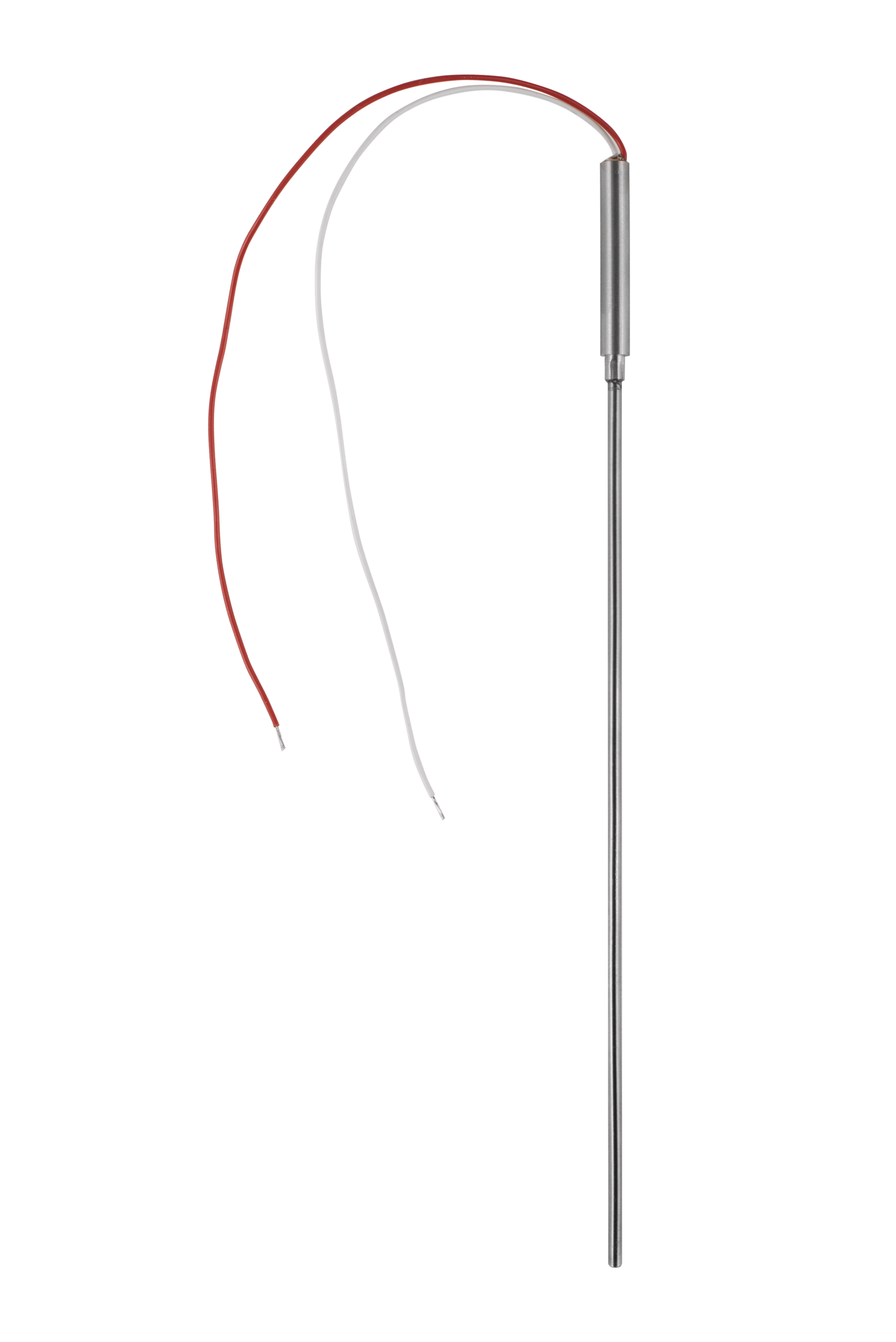
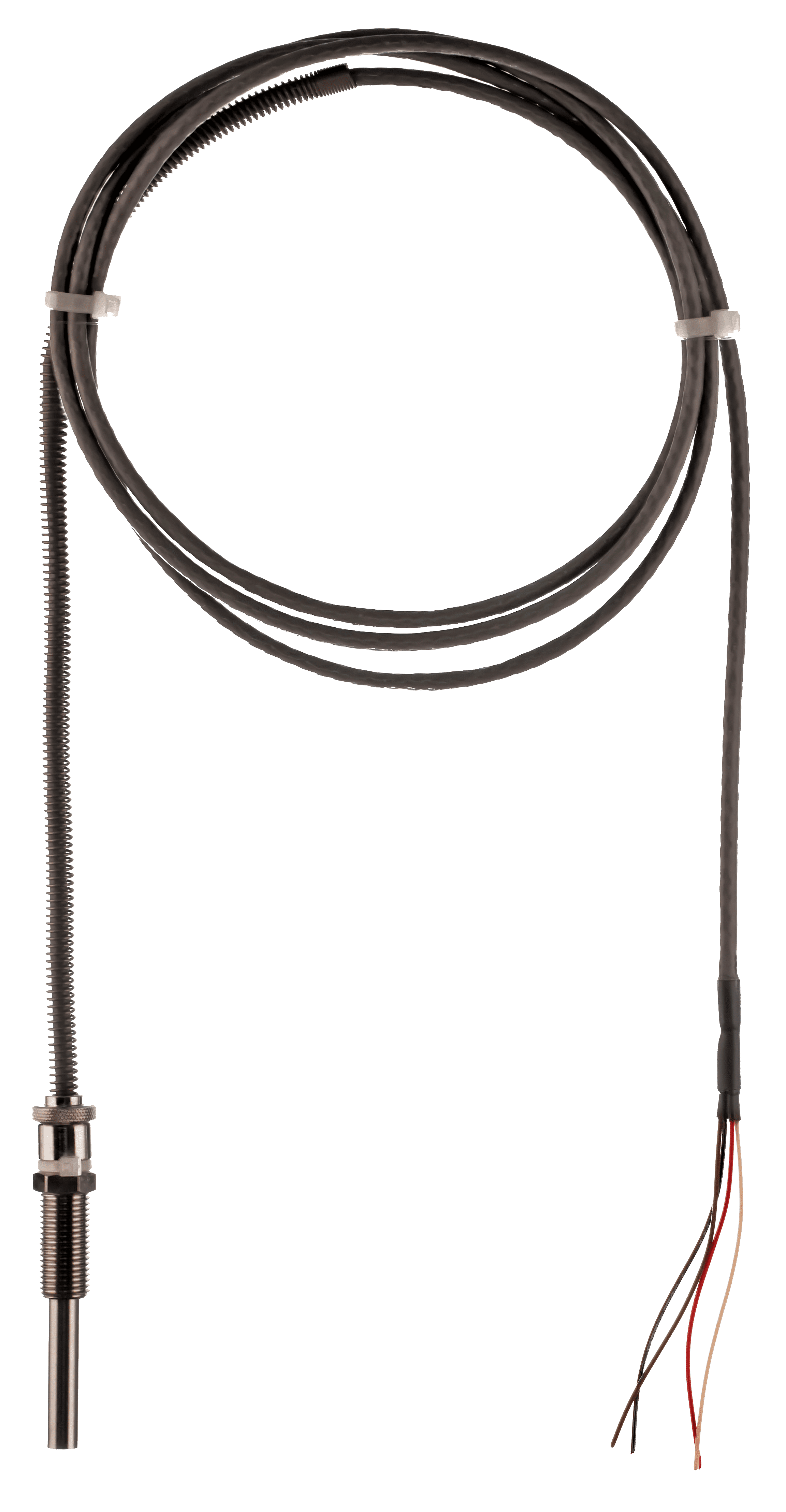
Mineral-insulated thermocouples and resistance sensors for confined installations and applications requiring fast response. The programme includes RTDs up to 600 °C and a Type S mineral-insulated thermocouple rated up to 1600 °C. The sheath material and construction are selected for the duty.
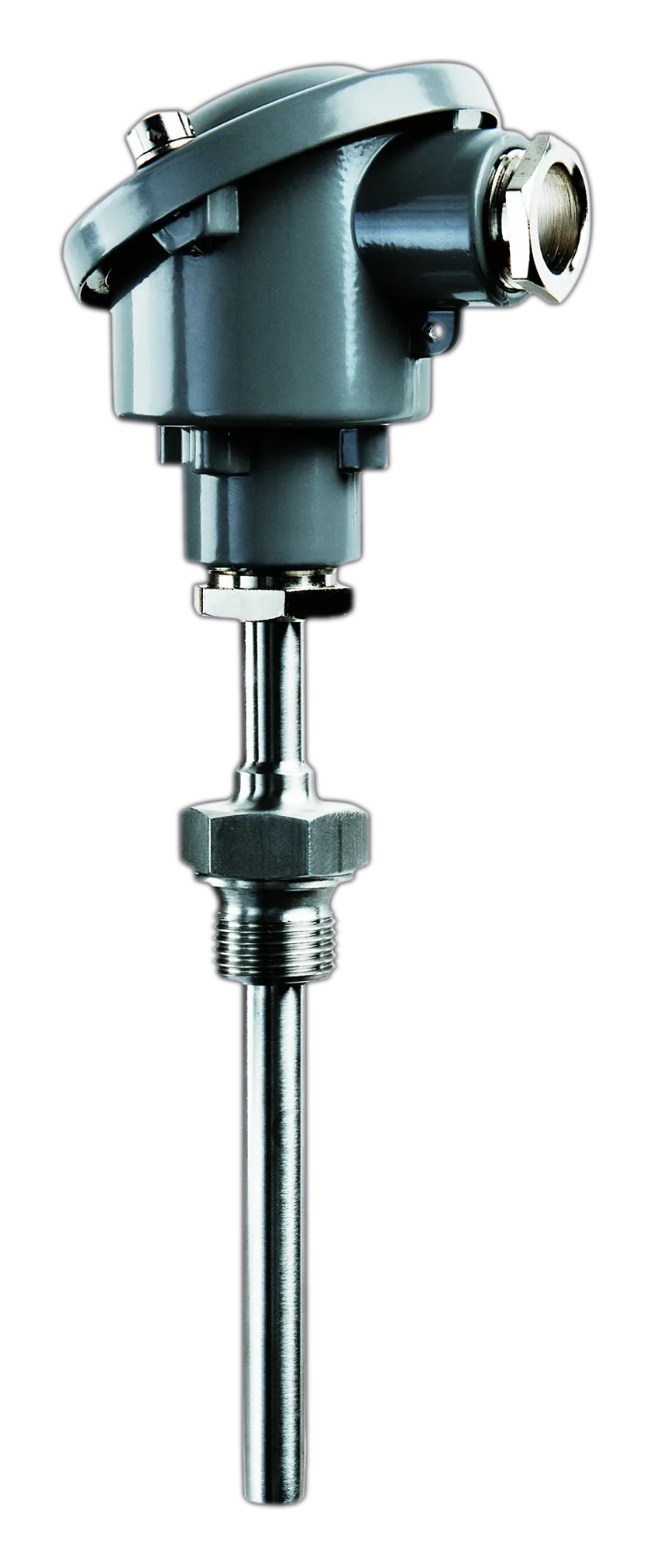
Type B and Type D temperature sensors serve boiler, steam and water circuits with replaceable measuring inserts. Type D uses a solid-machined weld-in thermowell for high-pressure service. For the weld-in materials and dimensions covered by KP's pressure-rating guide, water service extends up to 450 bar at flow velocities up to 5 m/s; permissible pressure also depends on temperature.
Temperature transmitters provide 4–20 mA, HART or Profibus communication with plant control systems. Head-mounted options are available for suitable sensor assemblies.
Catch developing faults before they become a forced outage
Pumps, fans, turbines and generators wear over time, and a change in vibration is the earliest sign — a developing fault shows in the vibration signature at roughly 10% progression, long before a temperature alarm (around 40%) or an audible symptom (around 60%). KP's condition-monitoring sensors watch for that change continuously, so you plan and target maintenance before a forced outage.
Continuously monitors vibration on motors, pumps, fans, turbines and other rotating equipment. A change in the vibration signature is the earliest indicator of bearing or component wear — giving you the lead time to act before a breakdown and focus maintenance where it's needed.
Vibration Sensor KPV200 / KPV100 →Monitors angle, direction and acceleration to detect changes in tower sway and foundation movement on wind turbines and other structures.
KPM100 →Measures humidity, temperature and dewpoint in one IP67 sensor, providing the data needed to monitor condensation risk in enclosures, substations and technical rooms.
KPH300 →Why energy professionals choose KP
DIN 43772 thermowells, IEC 60584-1 thermocouples and IEC 60751 RTDs provide the basis for our temperature programme. We build replacement sensors to match the dimensions, connections and measurement specification of your existing installation.
Pressure, temperature and the process medium determine the protection material. KP's programme includes boiler steels for weld-in thermowells, EN 1.4571 (316Ti) and EN 1.4404 (316L) stainless steels, heat-resistant steel and gas-proof ceramics. Special materials can be specified for the application.
Standard designs, your dimensions: immersion length, process connection, cable, plug and output are built to order — also in small volumes.
KP develops and manufactures temperature sensors in-house. You can discuss your application directly with the people who design and build the assembly.
Frequently asked questions
Which temperature sensors are used in power plants?
Pt100 RTD sensors are typically used in steam and water circuits, on bearings and in auxiliary systems, while thermocouples handle combustion chambers, flue gas and other high-temperature zones. Thermowells protect the sensors and allow replacement without opening the process.
When should I use a thermocouple instead of an RTD?
Pt100 and Pt1000 resistance sensors are often chosen for accurate measurement in steam, water and auxiliary systems. Thermocouples suit higher-temperature duties such as combustion and flue gas measurement. Type K and N cover many of these applications; noble-metal Type S, R and B are used where temperature and stability requirements call for them. The operating limit depends on the complete sensor, including its protection tube.
Can a sensor be replaced without shutting down the plant?
With a suitable thermowell installation, the sensor or measuring insert can be removed while the thermowell remains in place and the process stays sealed. KP's Type B and Type D assemblies use replaceable measuring inserts. Whether replacement can take place during operation also depends on the installation and the plant's maintenance procedures.
Which protection tube and thermowell materials do you offer?
KP supplies weld-in thermowells in boiler steels including EN 1.7335 and EN 1.0460, and stainless-steel constructions in EN 1.4571 (316Ti) and EN 1.4404 (316L). High-temperature protection tubes include heat-resistant steel and gas-proof ceramics. The material is selected for the medium, temperature and mechanical loads. See our thermowell materials guide for material properties and applications.
Do your sensors integrate with our control system?
KP offers temperature transmitters with 4–20 mA, HART or Profibus communication, including head-mounted options for suitable assemblies. The KPV200 vibration sensor communicates via MODBUS. Tell us which interface your control system uses so we can specify the appropriate sensor and transmitter arrangement.
Do you also cover wind, solar, biogas and fuel cells?
Yes. Power & Energy covers sensors for operating and maintaining energy installations. Our Green Tec area focuses on integrating sensors into new technology, including wind turbines, solar systems, biogas plants, hydrogen and Power-to-X, and fuel cells.
Can KP build a sensor that matches our existing installation?
Yes. KP manufactures replacement sensors to match an existing installation's dimensions, process connection, sensing element and signal requirements. Send us the sensor specification or drawing, including the operating temperature and medium, so we can confirm the matching construction.
Specify your sensor with an expert
Tell us the medium, temperature range, process pressure, connection and signal you need. For a replacement sensor, send the existing specification or drawing.