Sensors for defence — temperature, vibration, motion and climate across naval, land, air and logistics
Kjaerulf Pedersen a/s develops and builds the sensors that keep defence platforms mission-ready — engine and exhaust temperature, powertrain and bearing condition, motion and stabilisation data, and climate control for electronics and supplies. Field-proven at sea, on land and in aerospace component manufacturing, and configured to the individual platform.
Kjaerulf Pedersen a/s develops and manufactures sensors for defence platforms — temperature (RTD and thermocouple), vibration, motion, humidity and dewpoint, and gas measurement for controlled-atmosphere logistics — field-proven at sea, on land and in aerospace component manufacturing, and configured to the individual platform for OEM integration and aftermarket supply.
The right sensor for every point on the platform
On a defence platform the sensor is chosen by what the point demands — heat, vibration, shock, motion or climate — not by the name of the programme. KP configures the correct sensor for each measuring point. Start from what the platform needs:
| Platform need | What determines the choice | KP sensor |
|---|---|---|
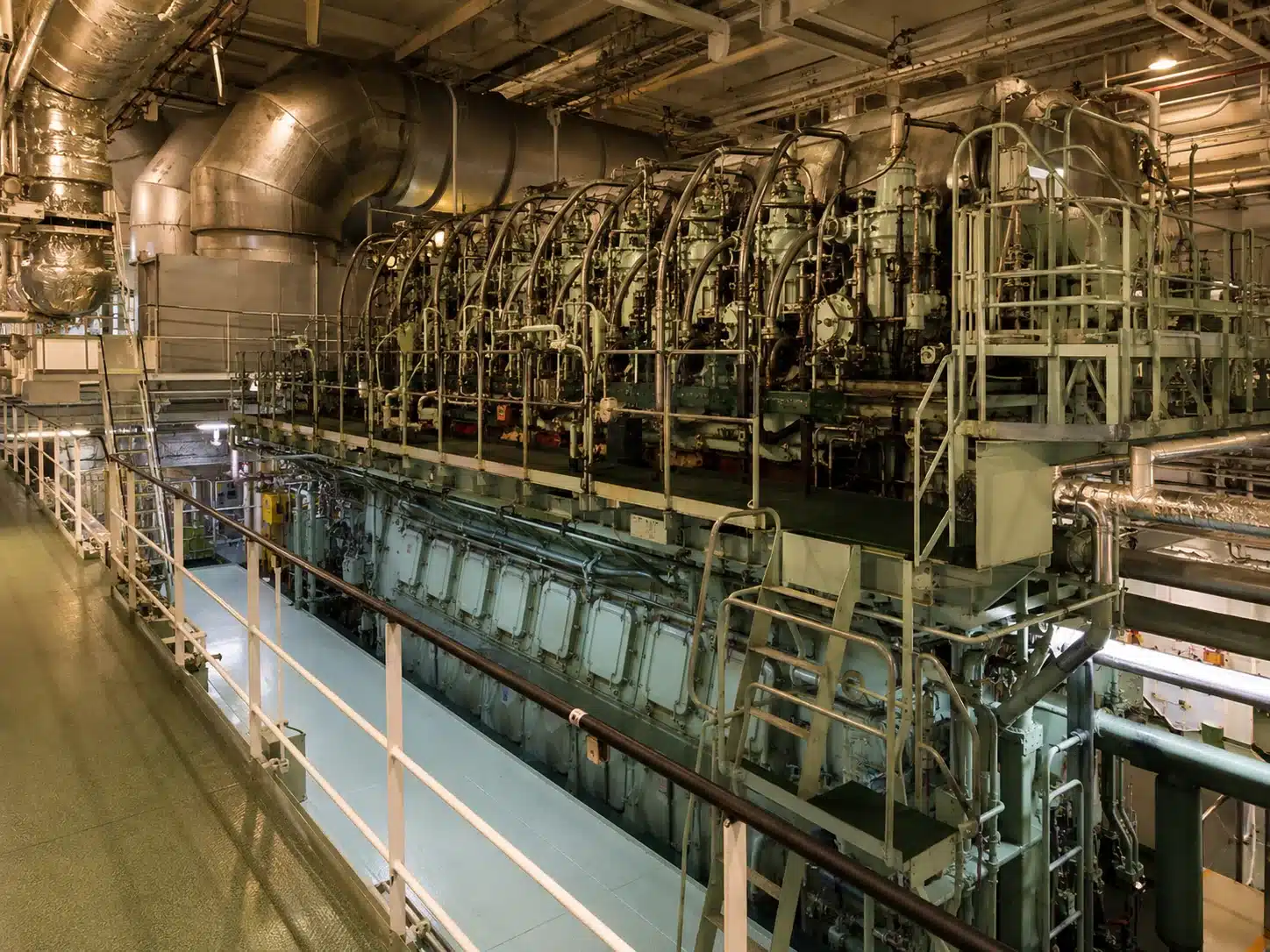
| Engine & exhaust temperature — propulsion | Exhaust-gas sensors with solid drilled pockets that absorb vibration; immersion sensors for cooling, oil and auxiliaries | REG3/TEG3, REG3S/TEG3S, Type B, BUI |
| Shaft & bearing temperature | Stern tube bearing sensors with mineral-insulated cable; bearing probes for motors and gearboxes | RST/TST-M, RST/TST-MC, RTBC, RTBC2 |
| Powertrain & drivetrain condition — vehicles | Vibration as the earliest indicator of mechanical wear; bearing temperature; mineral-insulated sensors for confined routing | KPV200, RTBC2, RM1–RM3, TM1–TM4 |
| Motion, stabilisation & navigation support | IMU-based roll, pitch and yaw; onboard motion awareness and documentation | KPM100, MDU system |
| Compartment & electronics climate | Humidity, temperature and dewpoint in one IP67, EMC-shielded sensor; room sensors | KPH300, RR1 |
| Tanks & storage | Tank temperature sensors; multipoint monitoring of storage spaces over Modbus | RST-T, TempMux-8 |
| Cold chain & controlled atmosphere — logistics | CO2, O2 and humidity in one housing; container temperature monitoring | Hybrid Sensor, KPCO2, O2-LQ |
| Process temperature in component manufacturing | Fast, precise measurement in tooling and process control for composite and component production | RC1/TC1, RM1–RM3, TM1–TM4 |
Browse by domain
Four domains cover the defence sector. Each links to the matching products in our catalogue.
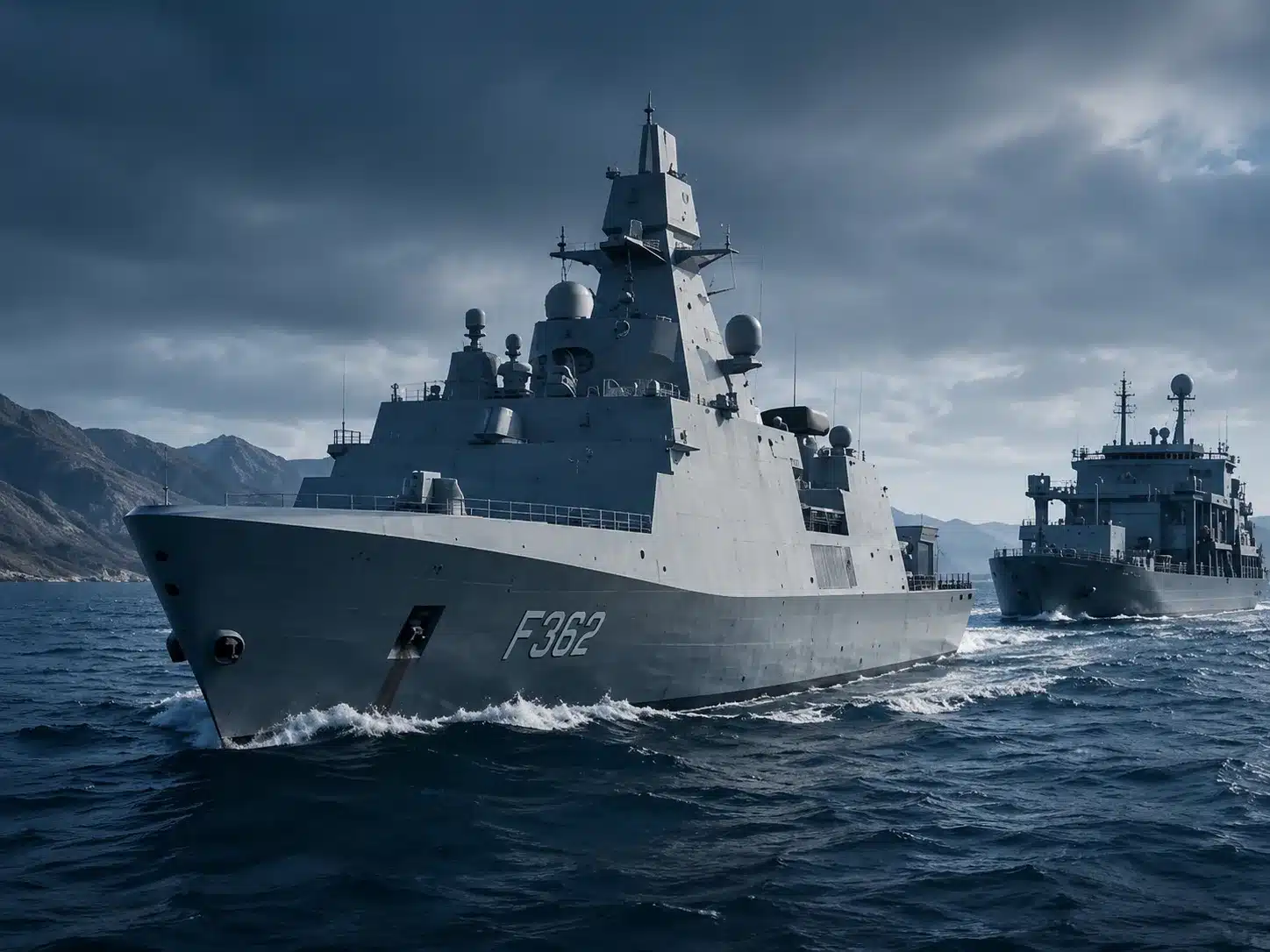
Naval propulsion, shafts, tanks and onboard systems — plus motion data for the bridge.
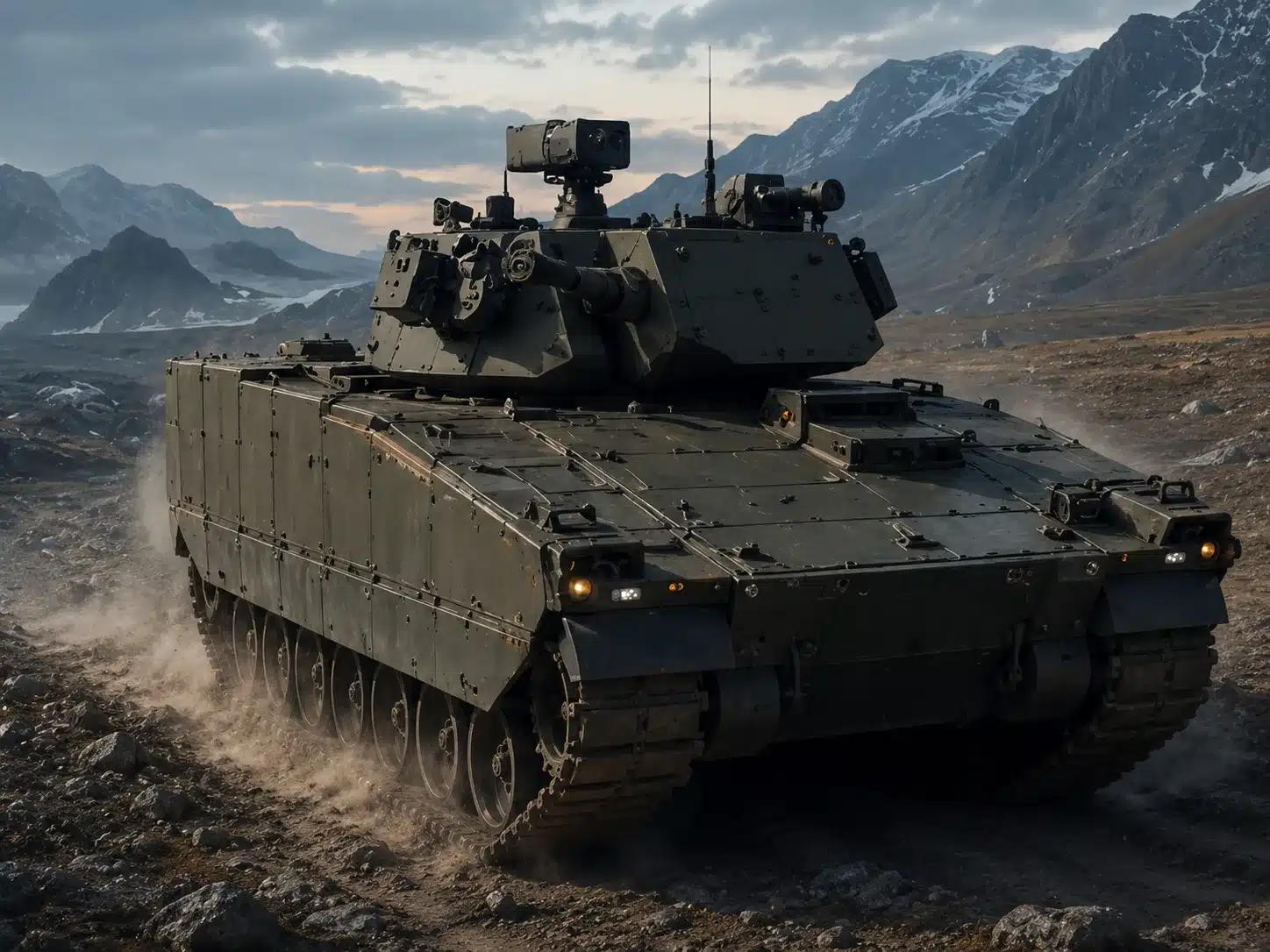
Powertrain and drivetrain monitoring for tracked and wheeled vehicles.
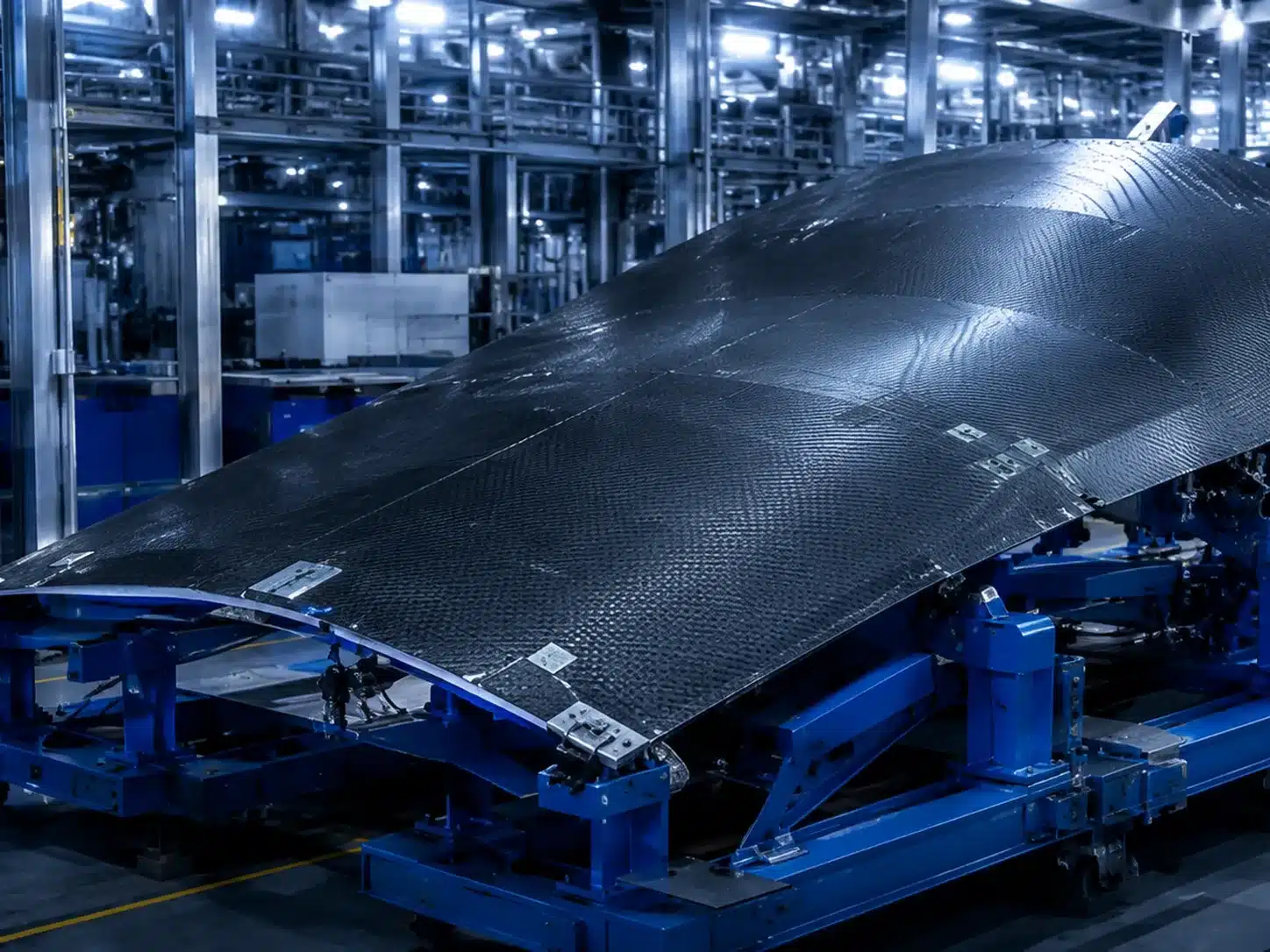
Process measurement for aerospace component manufacturing, and motion sensing for unmanned systems.
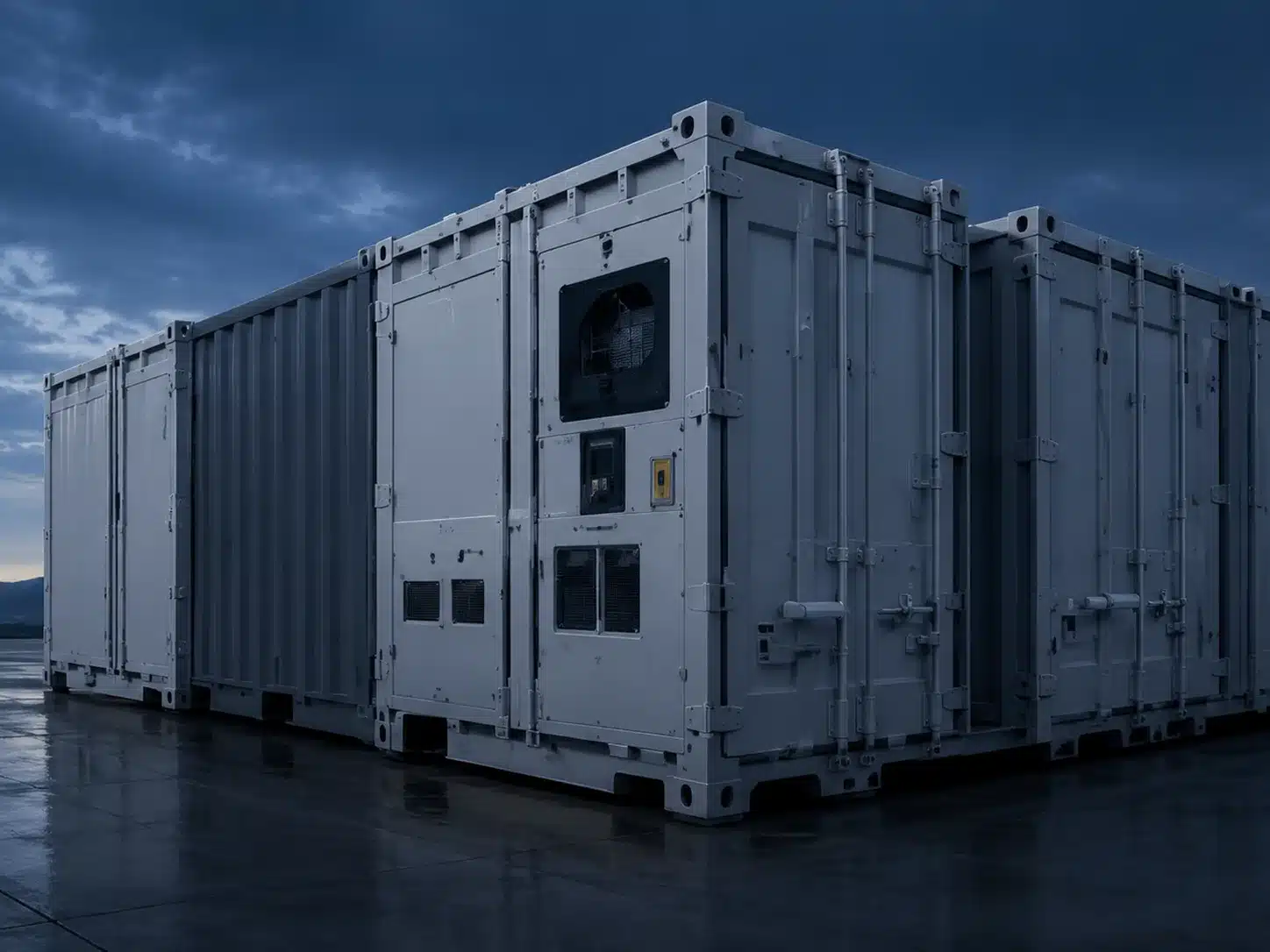
Cold-chain and controlled-atmosphere monitoring for supplies in transit and storage.
The instrumented platform
Every measuring point on a defence platform tells part of the same story. KP instruments the platform end to end — temperature, vibration, motion and climate — and delivers the data over Modbus into the platform's own control systems. Our sensors serve on naval newbuild programmes in Europe and North America.
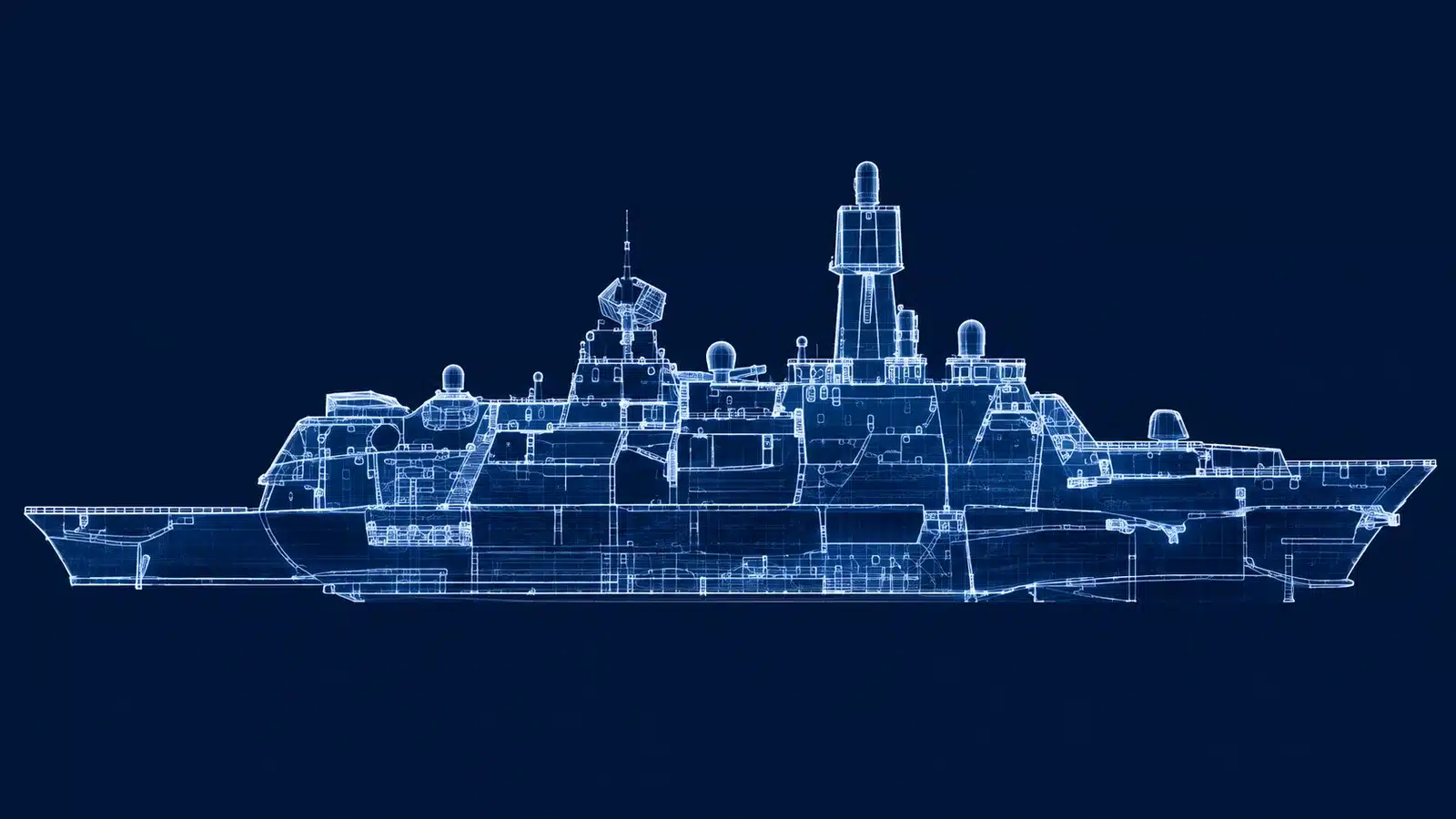
Measuring points on a naval platform — from exhaust gas to bridge motion.
Choose by what you need to measure
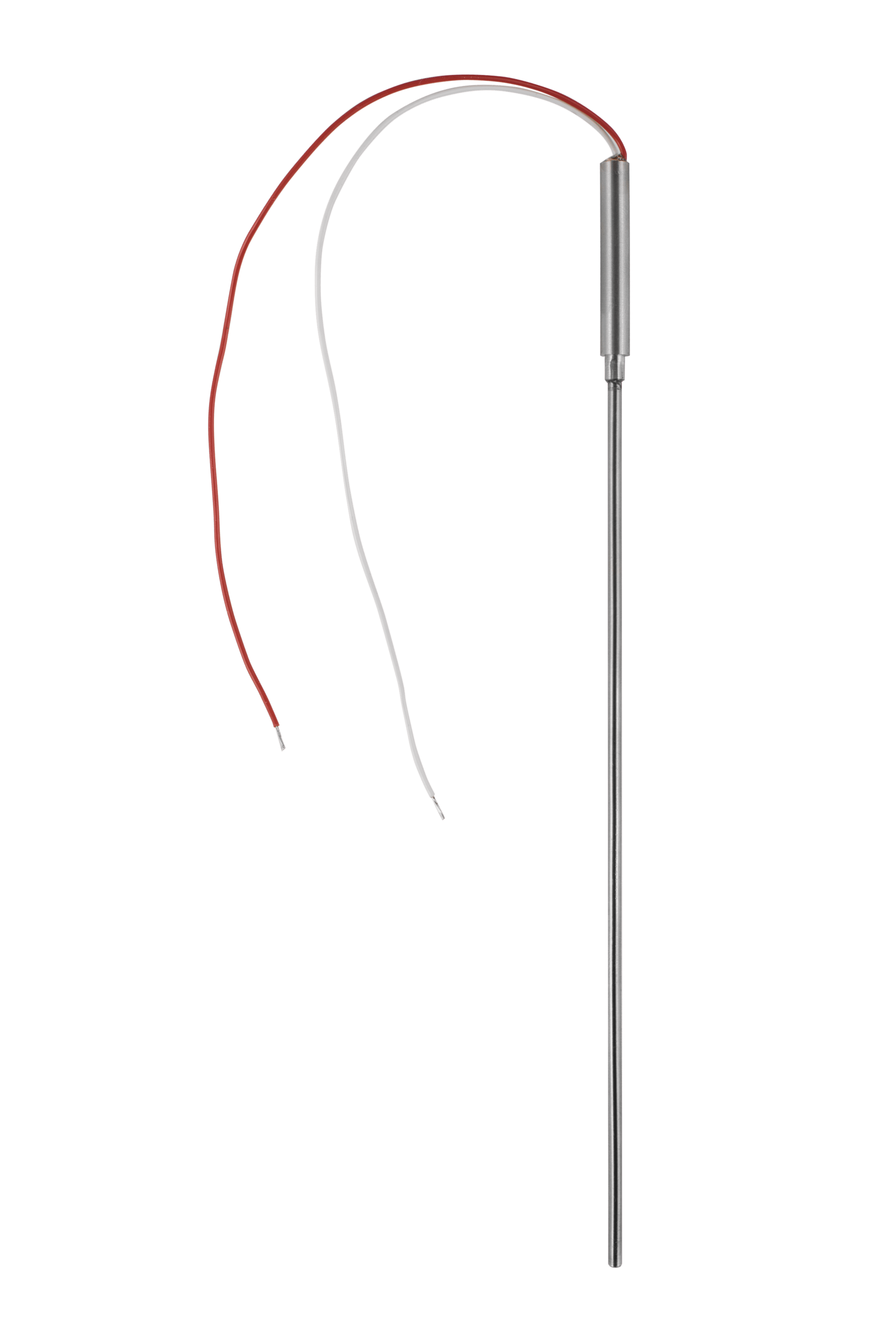
Every sensor is configured to order in length, material, process connection and output.
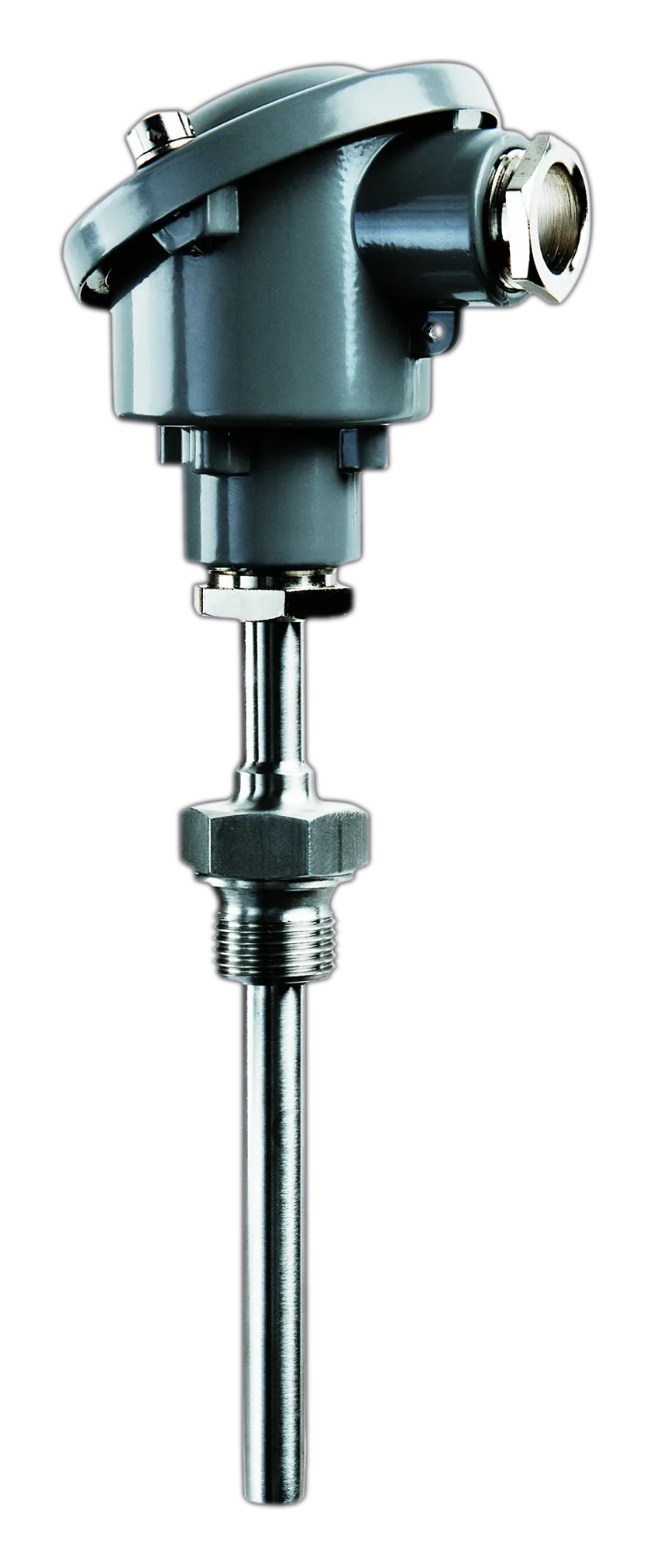
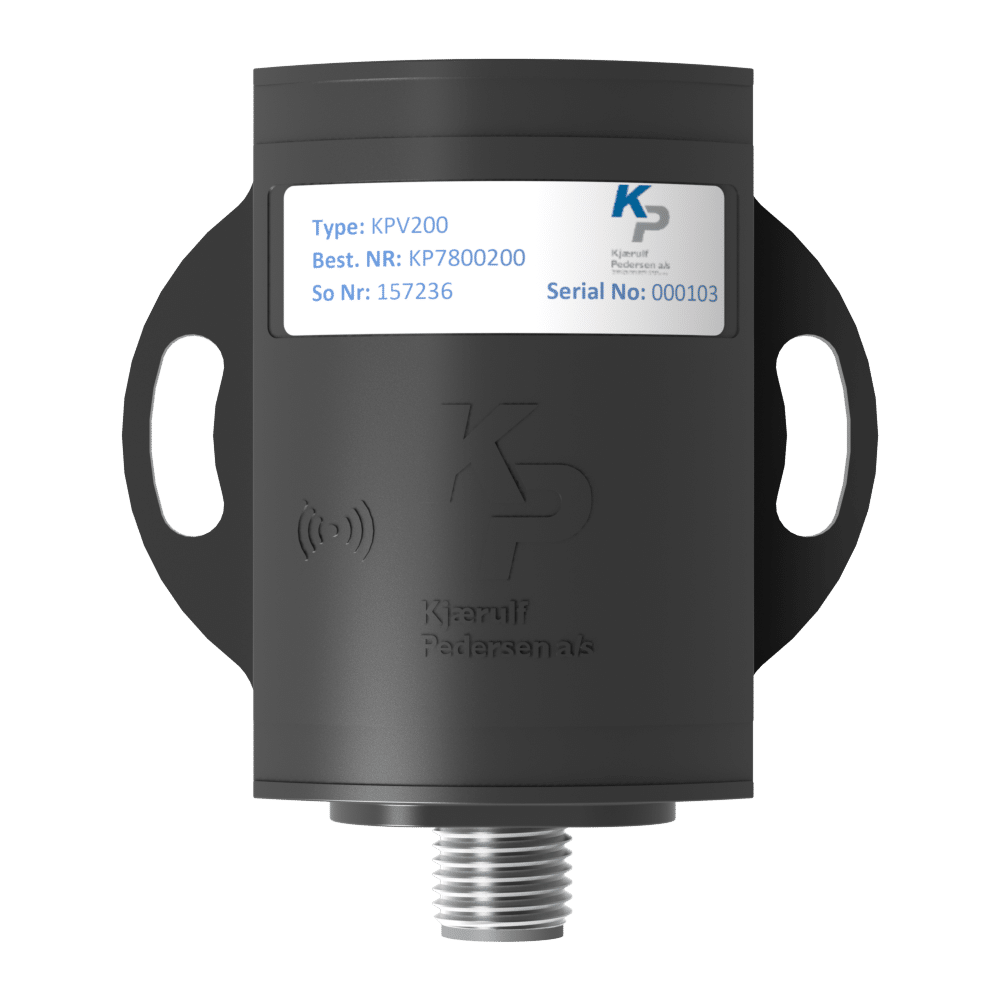
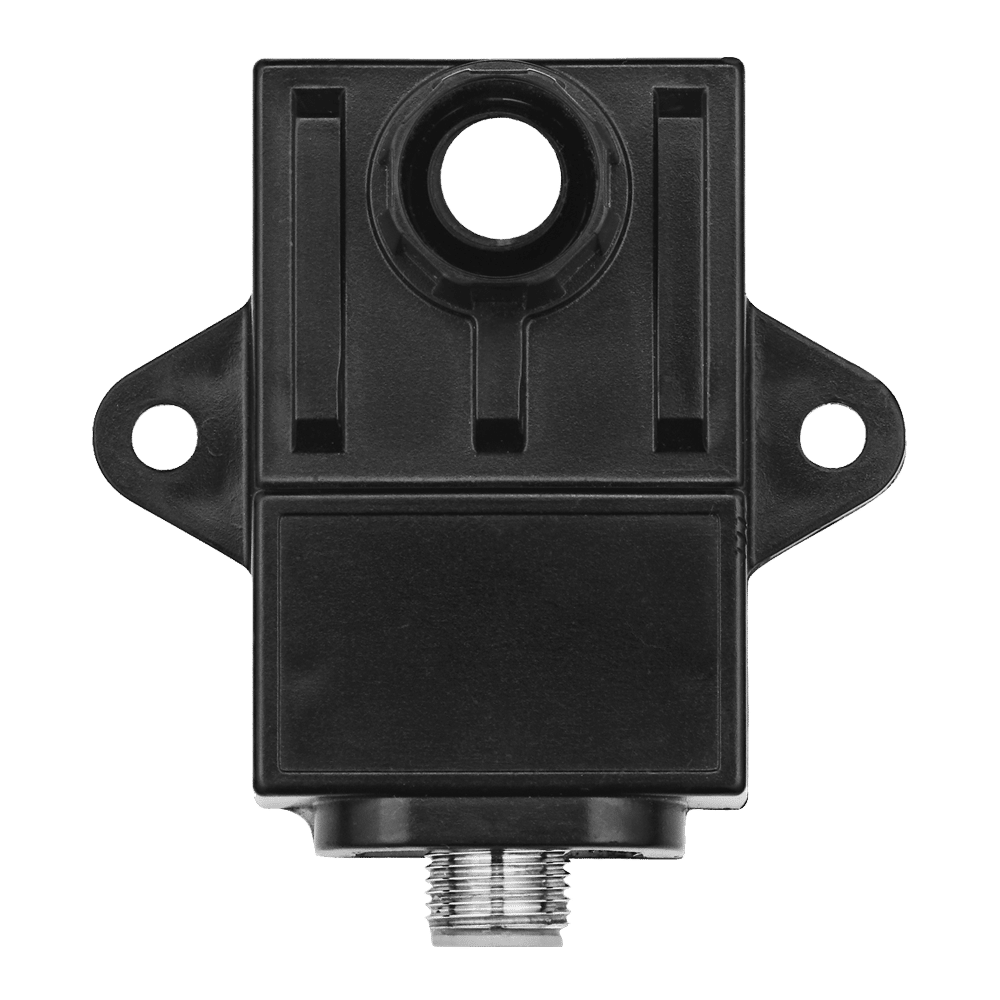
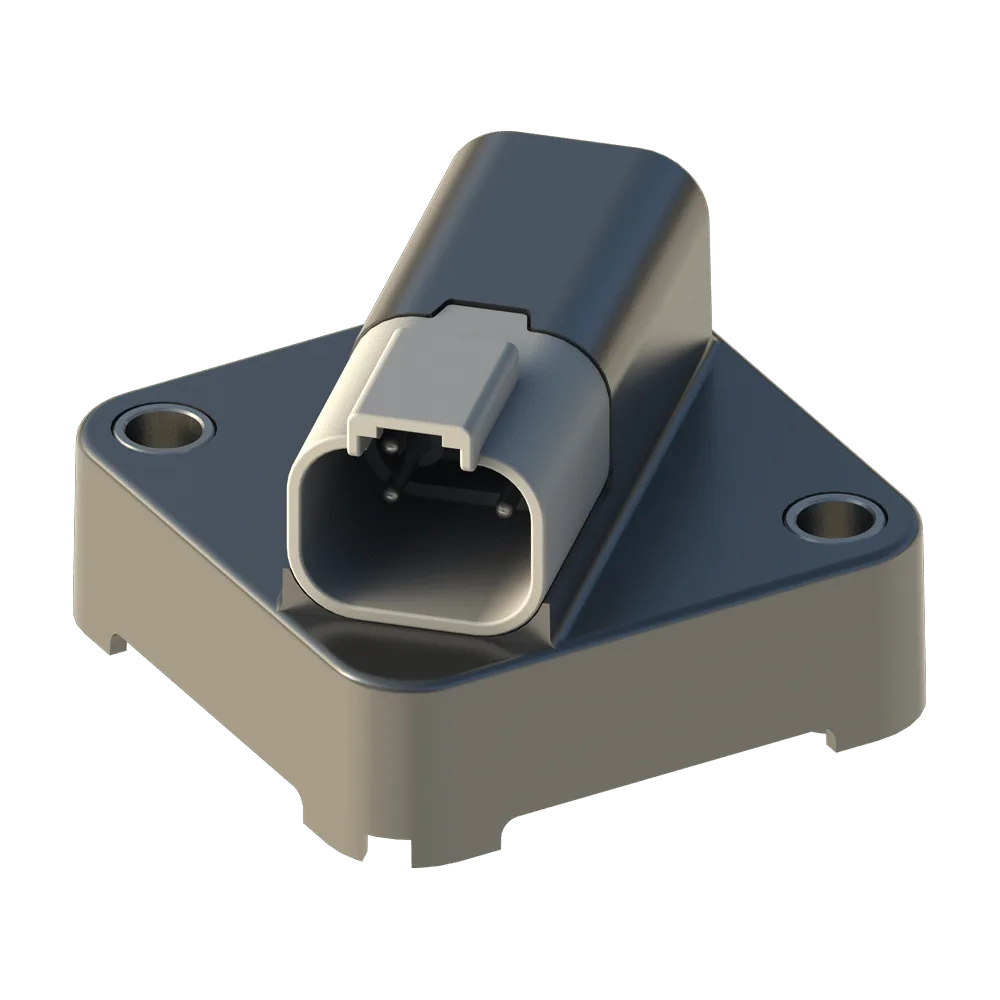
Vibration with on-board FFT, IMU-based motion analysis and multipoint temperature — the data that turns maintenance into a plan and keeps platforms available.
CO2, O2 and humidity measurement for refrigerated and controlled-atmosphere containers — keeping food and medical supplies right through the supply chain.
From sensor data to documentation
Defence programmes run on documentation as much as on data. Every KP sensor is specified, documented and traceable from the day it is ordered.
Temperature, vibration, motion and climate delivered over Modbus, RS485 and 4–20 mA into the platform's control systems.
Certificates are specified with the sensor when you order it — a 3.1 material certificate, a certificate of origin and a certificate of conformity.
The 3.1 material certificate is tied to the material batch of the individual sensor — the measuring point stays traceable through the platform's life.
Spare-part supply and sensor replacement through the platform's service life, matched to the original specification.
Condition monitoring: readiness you can plan
Condition monitoring watches the health of engines, generators, pumps and drivetrains so a fault is caught while it is still developing — and maintenance becomes a plan instead of an emergency. Vibration is the earliest indicator of mechanical wear:
KP develops its own vibration, motion and dewpoint sensors alongside the temperature range — one supplier for temperature and condition monitoring, plug and play into a PLC or SCADA system.
Detects emerging faults at roughly 10% development — FFT data processed on the sensor, plug and play into any PLC over RS485 Modbus or industrial Bluetooth.
KPV200 →IMU-based roll, pitch, yaw and acceleration — the position and movement of platforms and structures, complementing vibration on the health picture.
KPM100 →Humidity, temperature and dewpoint in one IP67 sensor — condensation control in electronics compartments and enclosures.
KPH300 →Why defence programmes choose KP
Our sensors serve on naval newbuild programmes in Europe and North America, on tracked fighting vehicles, and in the manufacturing of composite components for fighter aircraft.
Vibration shows a developing fault at roughly 10% — long before a temperature alarm — so maintenance is planned around the mission, and the platform stays available.
Temperature, vibration, motion, humidity and dewpoint, and gas measurement from one supplier — fewer interfaces, one point of responsibility.
OEM integration in newbuild programmes and aftermarket supply through the platform's service life — you talk directly to the experts who develop the sensor, not to a reseller.
Frequently asked questions
What sensors does KP supply for defence platforms?
Temperature sensors (RTD and thermocouple) for engines, exhaust, bearings, tanks and compartments; vibration and motion sensors for condition monitoring and stabilisation data; humidity and dewpoint sensors for climate control; and gas sensors (CO2 and O2) for controlled-atmosphere logistics. Every sensor is configured to the platform — length, connection, cable and output.
Are your sensors used on naval vessels?
Yes — our sensors serve on naval newbuild programmes in Europe and North America. The temperature programme behind them is marine-approved by DNV, Lloyd's Register, ABS, Bureau Veritas, RINA and ClassNK — the full programme is covered on the Marine page.
Do you supply defence OEMs, shipyards and system integrators?
Yes — we supply both OEM integration in new platforms and aftermarket needs through spare-part supply and sensor replacement. Sensors are developed to your specification, from prototype through to volume, and you work directly with the experts who develop them.
How does condition monitoring support operational readiness?
Condition monitoring catches a developing fault early: vibration shows mechanical wear at roughly 10% development, against roughly 40% before a temperature alarm and roughly 60% before it becomes audible. That lead time means maintenance is planned around operations instead of interrupting them — fewer manual inspections, fewer surprises, higher availability.
Can you monitor powertrain and drivetrain condition on military vehicles?
Yes — the KPV200 / KPV100 vibration sensor detects emerging mechanical faults in powertrain and drivetrain components at roughly 10% development, bearing temperature sensors watch motors and gearboxes, and mineral-insulated sensors handle confined, high-vibration mounting points. Plug and play into the vehicle's control architecture — with RS485 Modbus or industrial Bluetooth communication.
Do you supply sensors for military logistics and the cold chain?
Yes — we supply sensors for refrigerated and controlled-atmosphere containers: the Hybrid Sensor measures CO2, O2 and humidity in one housing, and multipoint temperature monitoring covers storage spaces. This keeps food and medical supplies right through transport and storage.
Do you supply documentation and certificates with the sensors?
Yes — these are specified with the sensor when you order it: a 3.1 material certificate tied to the material batch, a certificate of origin and a certificate of conformity. That keeps every measuring point traceable through the platform's life.
What is the difference between your Defence and Marine pages?
Defence covers defence platforms and programmes — naval, land, air and logistics — for OEMs, shipyards, integrators and defence logistics operators. Marine covers commercial marine: ship systems, the marine-approved temperature programme and the MDU system. The same sensor can serve both; this page is about the defence application.
Do you supply defense programs outside Europe?
Yes — our sensors serve on naval newbuild programmes in both Europe and North America, and we supply OEMs, integrators and distributors globally. Defence and defense — both spellings — are welcome.
Specify your platform's measurement points with an expert
Tell us the platform and the measuring points — temperature, vibration, motion or climate — and we will suggest the right configuration.