Marine › Motion Detecting Unit
Motion Detecting Unit — ship motion turned into decisions
Kjaerulf Pedersen a/s developed the MDU to digitise ship motion in real time: pitch, roll, dynamic trim, list and motion intensity — 100 measurements per second, processed onboard and stored internally for 4–5 months. Crew-installable, owned outright with no subscription, running 24/7.
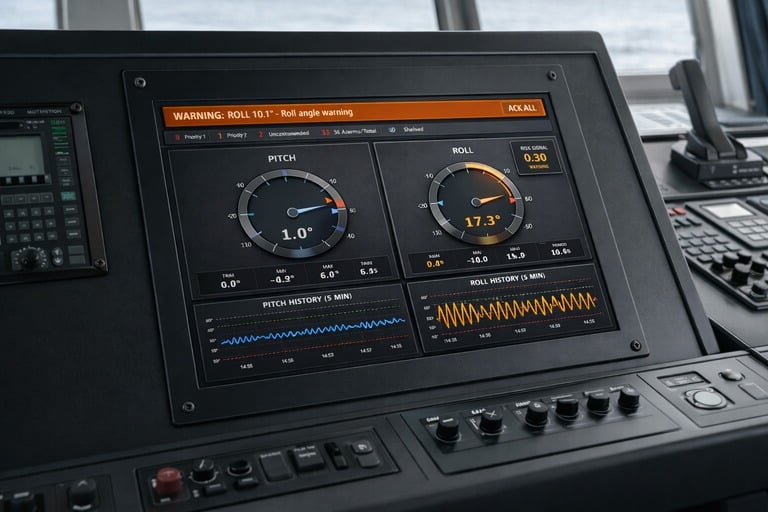
Most vessels measure speed, fuel, draft and position — but not motion
The MDU closes that gap. Four reasons vessel owners bring motion data onboard:
From January 2026 the IMO performance standard for electronic inclinometers applies. Motion measurement becomes a documented requirement on board.
Trim and list drive fuel consumption directly. Motion data supports better routing and loading — and CII, EU ETS and FuelEU reporting.
Rolling, hogging, sagging and torsion cost containers, cargo damage and engine wear. Live motion data gives warning before the damage is done.
Continuous recording documents what the vessel actually experienced — the factual basis owners, charterers and insurers ask for.
From motion data to operational decisions
A vessel moves constantly — but without measurement, that motion is experience and estimate. The MDU turns it into data the bridge and the office can act on.
The MDU is installed by the vessel's own crew: a standalone system with 1–3 motion sensors, no structural modification and no external service visit. It runs autonomously from day one, 24/7.
The system samples vessel motion 100 times per second — pitch, roll, dynamic trim, list and motion intensity — and processes the data onboard with no third-party dependency, including derived values such as averages, max/min and roll period. Everything is stored internally for 4–5 months; the data stays on the vessel.
Combined with vessel speed, fuel flow, draft and depth from existing onboard systems, motion data becomes the foundation for decisions on trim, route, speed and cargo operations — live on the bridge and in post-voyage review.
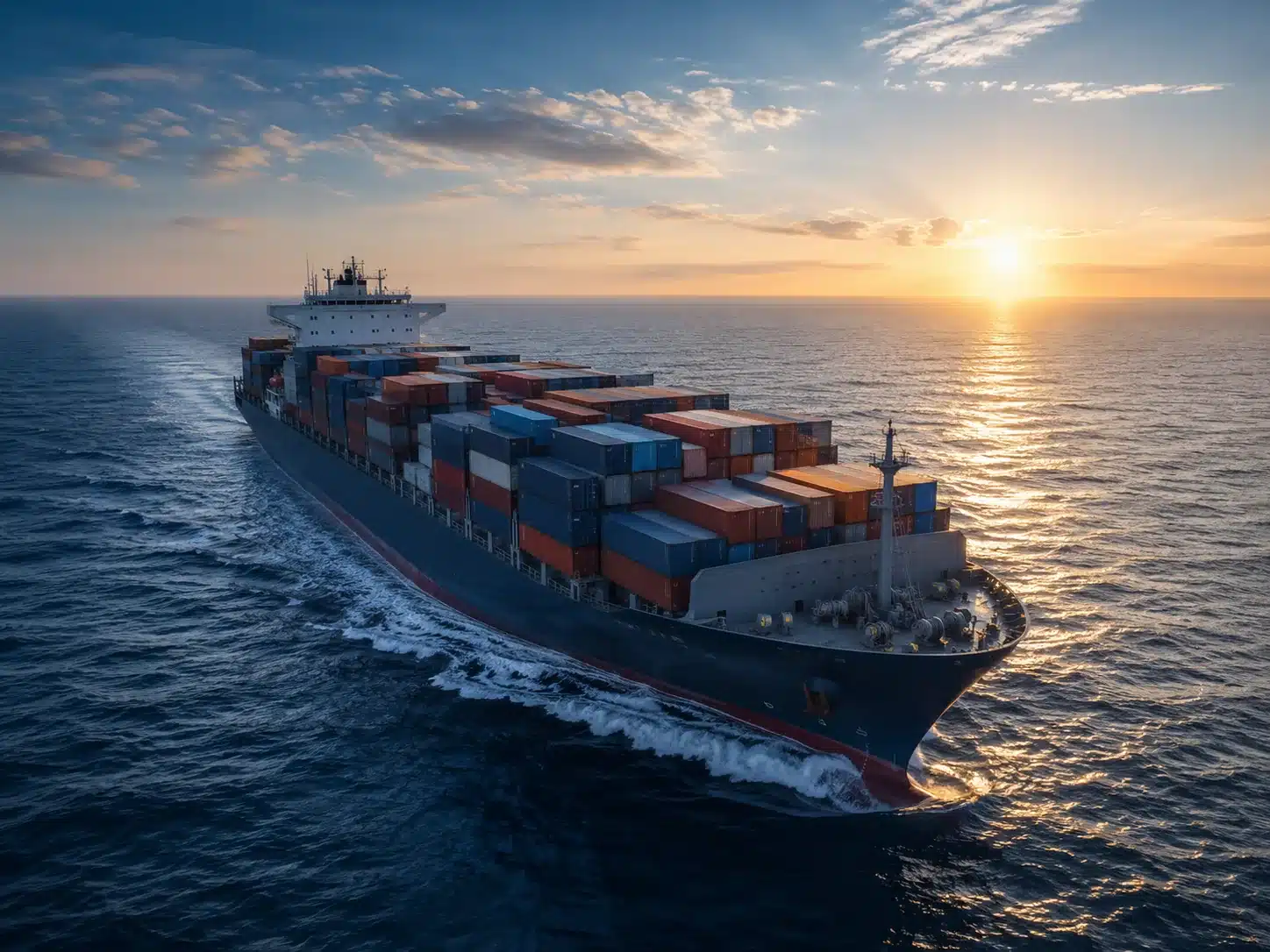
What the MDU does for your vessel type
Early identification of parametric, synchronous and resonance roll — before conditions exceed the limits of lashing systems and container stowage.
Cargo shift risk assessment, hull stress documentation in heavy weather, and operational decisions when roll phenomena develop.
Wide beam and low GM make these vessels particularly sensitive to parametric roll. Motion data supports cargo securing verification and stability decisions.
Motion within defined limits is an operational precondition: crew transfer windows, DP integration, cargo transfer operations.
Route optimization for passenger comfort, stabilizer performance verification, and sea-keeping documentation.
The numbers behind the system
| Sampling | 100 measurements per second |
|---|---|
| Measurements | Pitch, roll, dynamic trim, list and motion intensity |
| Derived values | Averages, max/min and roll period — calculated onboard |
| Structural monitoring | Hogging, sagging and twisting tracked in the MDU GUI |
| Bridge display (GUI) | Live pitch, roll, trim and list with min/max and roll period, motion history — visual alarms fully configurable |
| Sensors | 1–3 motion sensors — KP's own three-axis AHRS motion sensing; waterproof, rugged and vibration-resistant |
| Processing | Onboard, with no third-party dependency — the data stays on the vessel |
| Storage | 4–5 months onboard |
| Integration | Modbus / RS485; combines with vessel speed, fuel flow, draft and depth from existing onboard systems |
| Operation | 24/7 autonomous |
| Resilience & security | Keeps measuring through storage failure — encrypted data storage, verified boot and remote update |
| Installation | Crew-installable — standalone system, no structural modification |
| Ownership | Owned outright — no subscription |
In service across the world fleet
The MDU was developed in collaboration with one of the world's largest shipping companies — and runs today across the world fleet.
The MDU is in service on more than 200 container and tanker-class vessels, running 24/7 in commercial operation.
The system is bought and owned outright — no subscription, no external dependency for daily operation.
Motion data is processed and stored on the vessel — sharing it is the owner's decision, not a platform requirement.
The MDU in operation
Published cases from the fleet — what ship motion does to cargo and operations, and how crews use MDU data to act on it.
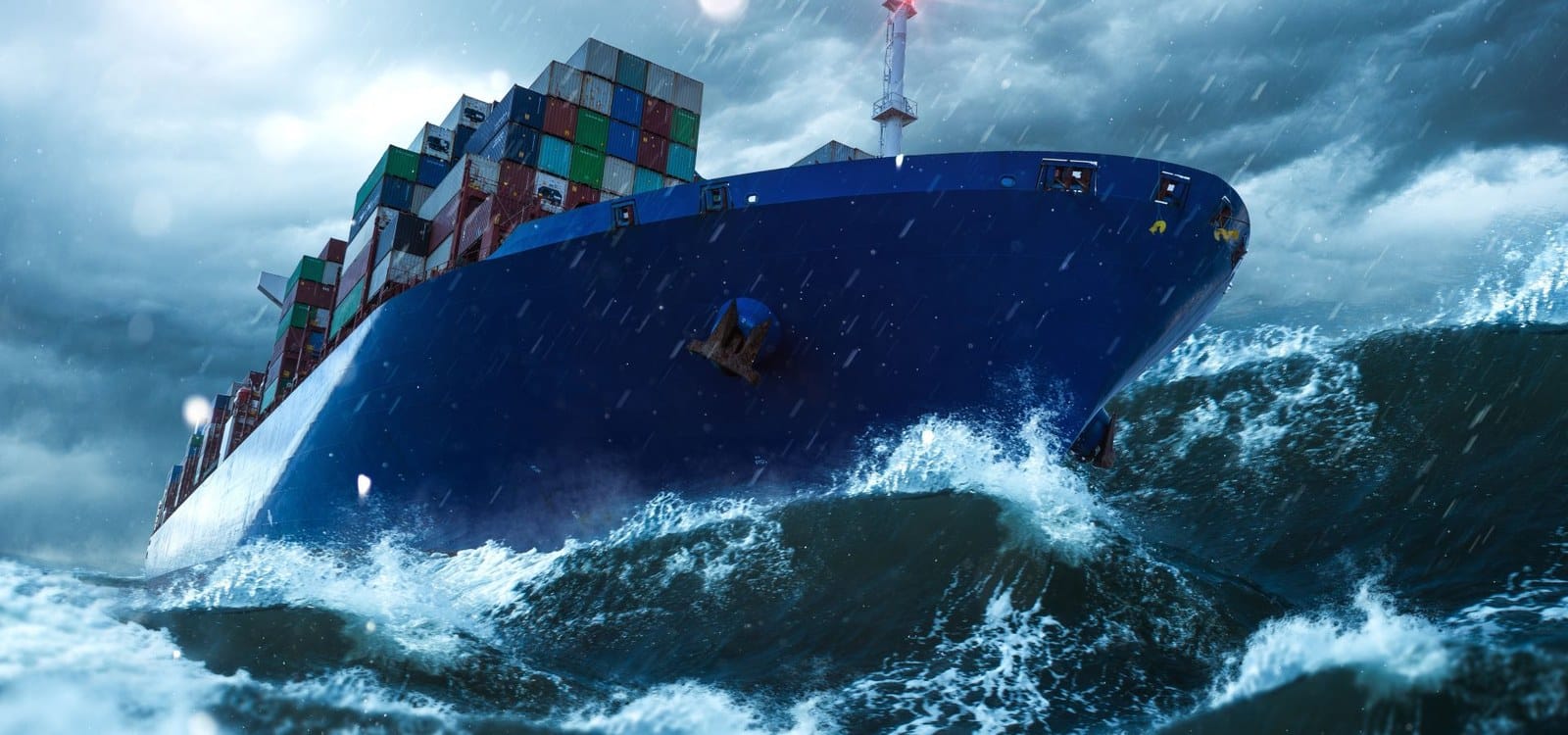
Why KP developed the MDU: parametric, synchronous and resonance roll put lashing systems and container stowage under pressure — and live motion data lets crews act before conditions escalate.
Read the case →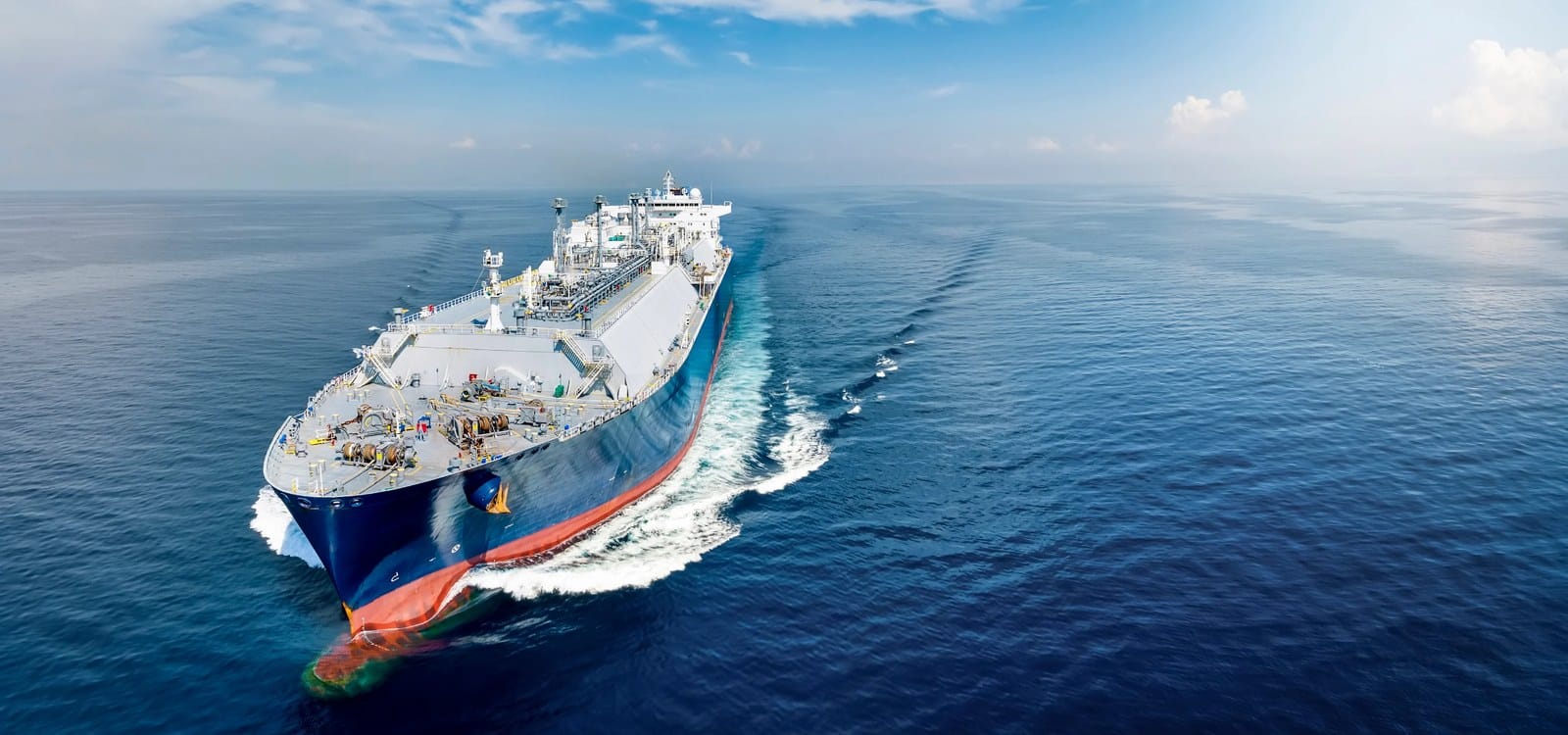
When an LNG carrier pitches and rolls, sloshing accelerates boil-off beyond what heat alone would cause. Continuous motion data supports the trim, routing and speed decisions that protect delivered cargo.
Read the case →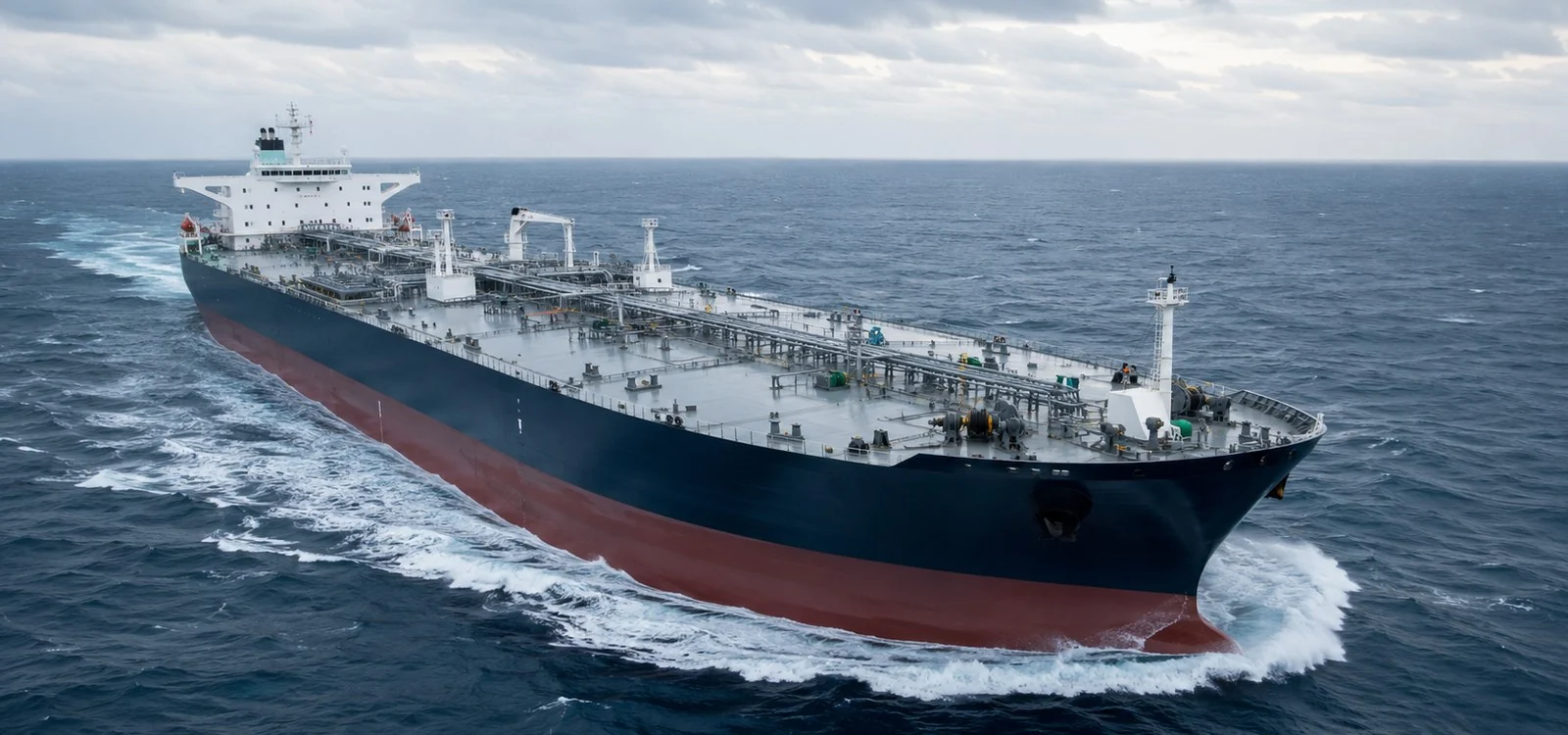
Trim, routing and propulsion are usually fixed before departure. Continuous motion data lets the crew optimise them against the sea the ship actually meets — and pairing motion with shaft power makes measurable what a given sea state costs in fuel.
Read the case →The sensor behind the system
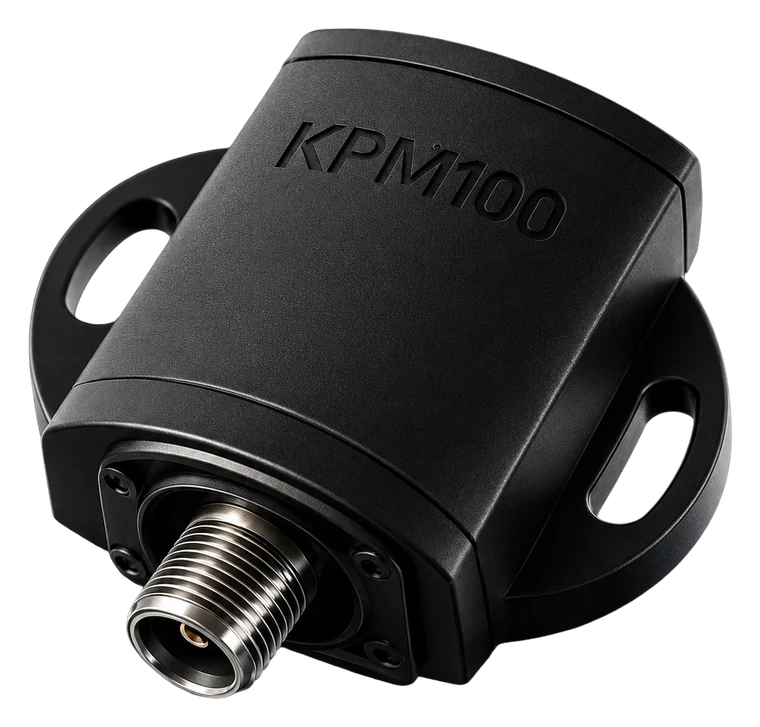
The MDU is built around the KPM100 motion sensor — three-axis roll, pitch, yaw, acceleration and angular velocity in real time over Modbus RTU. Its accelerometer, gyroscope and magnetometer are weighted to the conditions, so small, fast movements and large, slow ones are both captured at their best. Need the sensor for integration in your own system rather than the complete onboard platform?
Motion Sensor KPM100 →Frequently asked questions
What does the MDU measure?
Pitch, roll, dynamic trim, list and motion intensity — sampled 100 times per second and processed onboard. Combined with vessel speed, fuel flow, draft and depth from existing onboard systems, it gives a complete picture of how the vessel behaves in the conditions it meets.
How is the MDU installed?
By the vessel's own crew. The MDU is a standalone system with 1–3 motion sensors, requires no structural modification, and runs autonomously 24/7 once installed — no external service visit needed.
Where does the data go?
It stays on the vessel. Motion data is processed onboard with no third-party dependency and stored internally for 4–5 months. The system is owned outright with no subscription — sharing data is the owner's decision.
Can the MDU warn about parametric roll?
Yes — early identification of parametric, synchronous and resonance roll is one of the MDU's core tasks, so countermeasures can be taken before conditions exceed the limits of lashing systems and cargo securing.
Does the MDU integrate with our existing systems?
Yes — over Modbus / RS485. The MDU combines its motion data with vessel speed, fuel flow, draft and depth from the systems already onboard, and presents the result live on the bridge.
What is the difference between the MDU and the KPM100?
The KPM100 is the motion sensor on its own — built for integration in your own system. It delivers roll, pitch, yaw, acceleration and angular velocity over Modbus RTU, and evaluates angle and rate alarms in the sensor itself — in a PLC loop or connected straight to a supervision computer. The MDU is the complete onboard system built on KP's motion sensing: 1–3 sensors, onboard processing, 4–5 months of storage and the MDU GUI — the live bridge display — as the finished platform, installed by the crew and owned outright.
Is the MDU a motion reference unit (MRU)?
The MDU covers the role a motion reference unit plays aboard many vessels — continuous roll, pitch and motion data for operational decisions — delivered as a complete onboard system: crew-installable, owned outright with no subscription, with onboard processing and 4–5 months of internal storage.
See the MDU on your vessel type
Tell us your vessel type and operation — and we will show you what the MDU would give your bridge and your office.